How Many Catalytic Converters Does a Toyota Highlander Have?

Toyota Highlander owners often wonder about the number of catalytic converters in their SUV, especially when facing repairs or considering emissions tests. The answer is not always simple, because it can depend on the model year, engine type, and even where the car was built.
Understanding how many catalytic converters your Toyota Highlander has—and why—can help you make better decisions about maintenance, repairs, and legal compliance.
In this guide, you’ll get clear, beginner-friendly answers about catalytic converters in the Toyota Highlander. We’ll explain the basics, break down the details by model year and engine, and help you spot common mistakes. You’ll also see useful tables that compare Highlander models, along with tips to help you care for your vehicle’s emission system.
What Is A Catalytic Converter And Why Does It Matter?
A catalytic converter is a device in your car’s exhaust system. Its main job is to reduce harmful gases from the engine before they leave the tailpipe. It turns carbon monoxide, nitrogen oxides, and hydrocarbons into less harmful substances like carbon dioxide, nitrogen, and water vapor.
This is important because:
- It helps your car meet legal emission standards.
- It reduces air pollution.
- It prevents the check engine light from coming on due to emission failures.
If your catalytic converter fails, your car might not pass inspections. You may also see lower fuel efficiency or engine performance problems.
How Many Catalytic Converters Are In A Toyota Highlander?
The Toyota Highlander typically has two or three catalytic converters, depending on the model year and engine type.
Here’s a detailed breakdown:
1. 2001-2007 Toyota Highlander (first Generation)
Most first-generation Highlanders came with a V6 or four-cylinder engine. Both setups use a dual converter system.
- Four-cylinder models: Usually have two catalytic converters.
- V6 models: Often have three catalytic converters. Two are located close to the engine (called “upstream” or “manifold” converters), and the third is further back in the exhaust line (“downstream” converter).
2. 2008-2013 Toyota Highlander (second Generation)
With the introduction of more advanced emission controls, the second generation continued the trend.
- Four-cylinder: Typically two converters.
- V6: Usually three converters (two upstream, one downstream).
3. 2014-2019 Toyota Highlander (third Generation)
Toyota kept the same system for most models:
- Four-cylinder: Two catalytic converters.
- V6: Three catalytic converters.
4. 2020-present Toyota Highlander (fourth Generation)
The latest Highlanders use more efficient engines and may include hybrid options.
- V6 (3.5L): Three catalytic converters.
- Hybrid models (2.5L 4-cylinder): Generally have two converters.
Key Insight:
Some states, like California, require more robust emission systems. A Highlander sold in California may have slightly different converter setups, but the number rarely changes.
Here is a summary table for all generations:
| Model Year | Engine | Number of Catalytic Converters | Converter Locations |
|---|---|---|---|
| 2001-2007 | 4-cylinder | 2 | Upstream, Downstream |
| 2001-2007 | V6 | 3 | 2 Upstream, 1 Downstream |
| 2008-2013 | 4-cylinder | 2 | Upstream, Downstream |
| 2008-2013 | V6 | 3 | 2 Upstream, 1 Downstream |
| 2014-2019 | 4-cylinder | 2 | Upstream, Downstream |
| 2014-2019 | V6 | 3 | 2 Upstream, 1 Downstream |
| 2020-Present | Hybrid (4-cylinder) | 2 | Upstream, Downstream |
| 2020-Present | V6 | 3 | 2 Upstream, 1 Downstream |
Why Do Some Highlanders Have More Catalytic Converters?
The reason some Highlanders have three converters comes down to engine design and emission rules.
- V6 engines have two exhaust manifolds (one for each bank of cylinders). Each manifold gets its own converter—these are the “upstream” converters. The third converter, further back, catches any leftover pollutants.
- Four-cylinder engines have only one manifold, so they need fewer converters.
Beginner Insight:
People often think “more converters mean better performance. ” That’s not true. The extra converters are there because of the engine layout, not to boost horsepower.
Where Are The Catalytic Converters Located?
Knowing the location helps if you need to check or replace them.
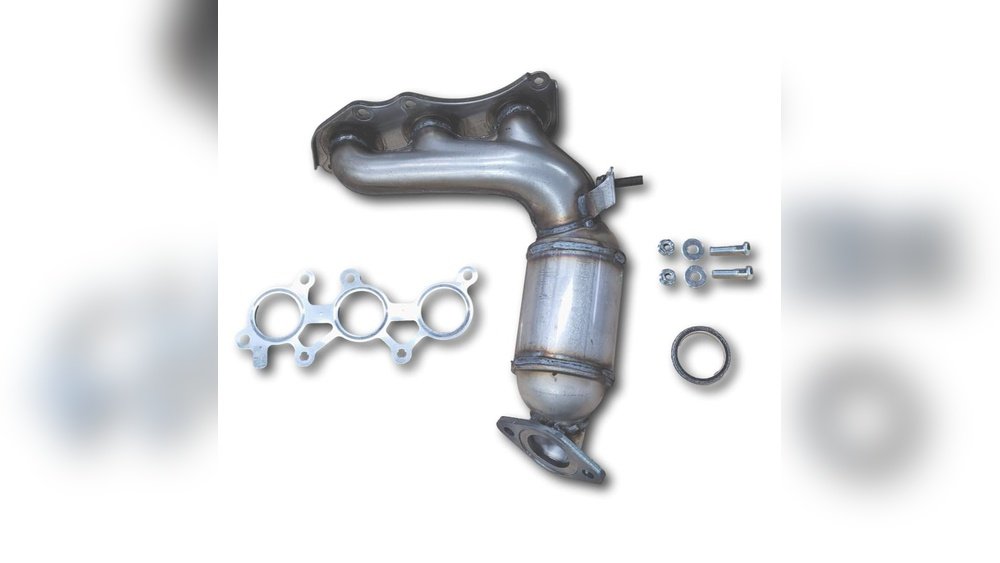
- Upstream converters are attached directly to the engine’s exhaust manifold. They are close to the engine, sometimes visible from under the hood.
- Downstream converters are further along the exhaust pipe, under the car, before the muffler.
For a V6 Highlander, here’s a simple overview:
| Converter Position | Location | Function |
|---|---|---|
| Upstream (Bank 1) | Near front of engine | Reduces emissions from first cylinder bank |
| Upstream (Bank 2) | Near rear of engine | Reduces emissions from second cylinder bank |
| Downstream | Under vehicle, after Y-pipe | Catches any remaining pollutants |
Practical Tip:
Upstream converters are more expensive to replace because they’re harder to reach and often connected to the manifold.
How To Tell How Many Catalytic Converters Your Highlander Has
If you want to check your own car, you don’t need special tools. Here’s how:
1. Check The Owner’s Manual
Most Toyota manuals mention the emission system details.
2. Look Under The Car
You can see the downstream converter under the vehicle. The upstream ones might be harder to spot.
3. Vin Decoder And Service Records
Some online tools let you enter your Vehicle Identification Number (VIN) to see specs, including emission parts.
4. Ask A Toyota Dealer
Dealers can confirm the setup based on your exact model and year.
Beginner Mistake:
People often confuse the oxygen sensors with catalytic converters. The sensors are smaller, wired, and usually right before or after each converter.
Signs Your Catalytic Converter Needs Attention
Catalytic converters last a long time, but they do fail. Here are common signs:
- Check Engine Light is on
- Poor acceleration
- Rattling noises under the car
- Failed emissions test
- Sulfur smell (rotten egg) from exhaust
If you notice these, have your Highlander checked. Replacing converters is expensive, especially for V6 models with three units.

Credit: dalessuperstore.com
How Catalytic Converter Design Has Changed In The Highlander
Toyota has updated the converter technology over the years:
- Older models (2001-2007): Used basic ceramic honeycomb structures.
- Newer models (2014+): Use advanced coatings (like platinum, palladium, rhodium) for better efficiency and lower emissions.
Non-obvious Insight:
Hybrid Highlanders use their engines less, so their converters often last longer. However, if you drive short distances only, converters might not get hot enough to clean themselves, leading to clogging.
Catalytic Converter Theft: Why Highlanders Are Targets
Toyota Highlanders, especially hybrid models, are common targets for catalytic converter theft. Thieves want the precious metals inside, which can be sold for high prices.
- High ground clearance makes them easier to access.
- Hybrid converters have more valuable metals, as the engines run cleaner.
Protect your Highlander by parking in safe places or installing a skid plate.
Cost Of Replacing A Highlander Catalytic Converter
Replacing a catalytic converter can be expensive.
- Single converter replacement: $1,000–$2,500 (including parts and labor)
- All three converters (V6): $3,000–$5,000
Aftermarket options are cheaper, but may not be legal in some states.
Important Note:
Using non-approved converters can cause your Highlander to fail emissions tests or void your warranty.
How To Maintain Your Catalytic Converters
With good care, a converter can last the life of your Highlander. Here are easy tips:
- Fix engine problems quickly (misfires, oil leaks)
- Use the right fuel
- Avoid short trips when possible (converters need heat to clean themselves)
- Don’t ignore warning lights

Credit: www.paulsautorepair.com
Real-world Example: 2019 Toyota Highlander Xle
A 2019 Highlander XLE with a V6 engine has three catalytic converters. Owners report that the upstream converters are hard to reach, and replacing all three can cost over $4,000 at a dealership. One owner, after failing an emissions test, discovered a faulty downstream converter, which was cheaper to replace but still required a certified part to pass inspection.
How Catalytic Converter Numbers Affect Inspections And Repairs
If your area requires emissions testing, you must keep all converters in place and functioning.
- Missing or damaged converters will cause your Highlander to fail the test.
- Using the wrong type (aftermarket, not CARB-compliant in California) also leads to failure.
A Highlander with three converters must have all three working to pass.
Table: Highlander Catalytic Converter Setup By Trim
Let’s compare some popular trims and their converter setups:
| Year | Trim | Engine | Number of Catalytic Converters |
|---|---|---|---|
| 2015 | LE | 2.7L 4-cylinder | 2 |
| 2016 | XLE | 3.5L V6 | 3 |
| 2017 | Hybrid Limited | 2.5L Hybrid | 2 |
| 2022 | Platinum | 3.5L V6 | 3 |
Emissions Regulations And Your Highlander
Federal and state laws control what kind of catalytic converters you can use. California and a few other states have stricter rules. Always check local laws before buying a replacement converter.
For more on emission standards, see the Wikipedia Catalytic Converter page.

Credit: www.youtube.com
Frequently Asked Questions
How Many Catalytic Converters Does A 2018 Toyota Highlander Have?
A 2018 Highlander with a V6 engine has three catalytic converters (two upstream, one downstream). Four-cylinder models have two.
Can I Drive My Highlander Without A Catalytic Converter?
No. Driving without a converter is illegal in most places and will cause your Highlander to fail emission tests. It can also damage your engine over time.
Why Are Toyota Highlander Catalytic Converters Stolen So Often?
Highlanders sit higher off the ground, making them easier targets. The converters also contain valuable metals, especially in hybrid models.
How Do I Know If My Highlander’s Catalytic Converter Is Bad?
Common signs include the check engine light, poor acceleration, and a rotten egg smell from the exhaust. If you notice these, have your SUV checked by a mechanic.
What’s The Difference Between Upstream And Downstream Catalytic Converters?
Upstream converters are close to the engine and clean the exhaust first. Downstream converters are further along and catch any remaining pollutants before gases leave the tailpipe.
Understanding the number and purpose of catalytic converters in your Toyota Highlander helps you stay legal, keep your SUV running well, and avoid costly mistakes. Take care of your emission system, and your Highlander will serve you well for many years.