How Many Miles Can a Toyota Sienna Go on Empty? Find Out Now

Many drivers ask: How many miles can a Toyota Sienna go on empty? If you drive a Sienna, you might wonder how far you can travel when the low fuel warning light comes on. Running out of gas is stressful, especially if you’re far from a gas station. The answer isn’t simple, but with the right information, you can avoid getting stranded. This article explains everything you need to know, from how the Sienna’s fuel system works to real-world numbers and tips to avoid running out of gas.
Understanding The “empty” Indicator In The Toyota Sienna
When the fuel gauge in your Toyota Sienna hits “E,” it does not mean your tank is completely dry. Instead, it signals that you are running low and should refuel soon. Most cars, including the Sienna, have a reserve fuel amount even after the light comes on.
The low fuel warning light usually turns on when there’s about 2 to 3 gallons of gas left in the tank. This reserve is there to give you a safety margin. However, the exact amount can change depending on your Sienna’s model year.
How Far Can You Drive On Empty?
The distance your Toyota Sienna can go on empty depends on several factors:
- Model year and engine type
- Driving speed and style
- Road conditions
- Air conditioning or heater use
- Tire pressure and load
Real-world Estimates
On average, a Toyota Sienna can drive 30 to 45 miles after the low fuel warning light turns on. This estimate is based on the reserve fuel and the minivan’s average fuel economy.
Here’s a breakdown for different Sienna generations:
| Model Year | Fuel Tank (gallons) | Reserve (gallons) | Miles on Empty (average) |
|---|---|---|---|
| 2011–2020 | 20.0 | 2.4 | 35–45 |
| 2021–2024 (Hybrid) | 18.0 | 2.2 | 30–40 |
| 2004–2010 | 20.9 | 2.5 | 35–50 |
Important: These numbers are averages. Some drivers report going over 50 miles, but it’s risky to push your luck.
Credit: www.siennachat.com
What Affects Your Range On Empty?
Not every Sienna will go the same distance on empty. Here are key factors that change your range:
- Driving Habits: Fast acceleration, heavy braking, and speeding use more fuel. Smooth driving helps you go farther.
- Traffic Conditions: Stop-and-go city driving uses more gas than steady highway driving.
- Vehicle Load: More passengers or cargo means more weight, which lowers fuel efficiency.
- Tire Pressure: Under-inflated tires increase resistance, using more fuel.
- Air Conditioning/Heating: Running these systems can lower your remaining range by a few miles.
Is It Bad To Drive On Empty?
Many drivers push the limit, but running your Sienna often on empty can cause problems:
- Fuel Pump Damage: The fuel pump depends on gasoline for cooling. Running low can cause it to overheat and fail.
- Clogged Fuel Filter: Sediment settles at the bottom of the tank. If you run low, this debris can clog filters and injectors.
- Unexpected Stalling: The car might stall in dangerous places, like intersections or highways.
Pro tip: Try to refuel when you have a quarter tank left. This keeps your fuel system healthy and gives you a buffer for unexpected delays.
How The Sienna Compares To Other Minivans
You might wonder if the Sienna’s “miles to empty” is better or worse than other minivans. Here’s how it stacks up:
| Minivan Model | Reserve Fuel (gallons) | Estimated Miles on Empty |
|---|---|---|
| Toyota Sienna | 2.2–2.5 | 30–45 |
| Honda Odyssey | 2.5 | 35–50 |
| Chrysler Pacifica | 2.0 | 25–35 |
| Kia Carnival | 2.3 | 30–40 |
The Sienna performs about average compared to other popular minivans. It’s not the worst, but it’s also not the best for range on empty.
Understanding The Sienna’s Fuel Gauge And Warning Lights
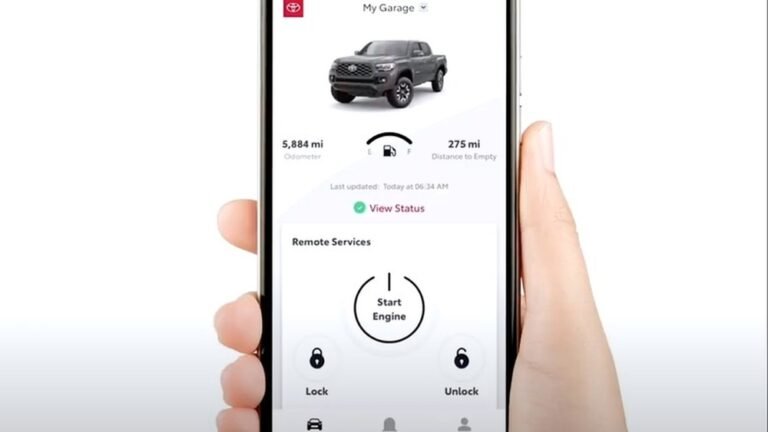
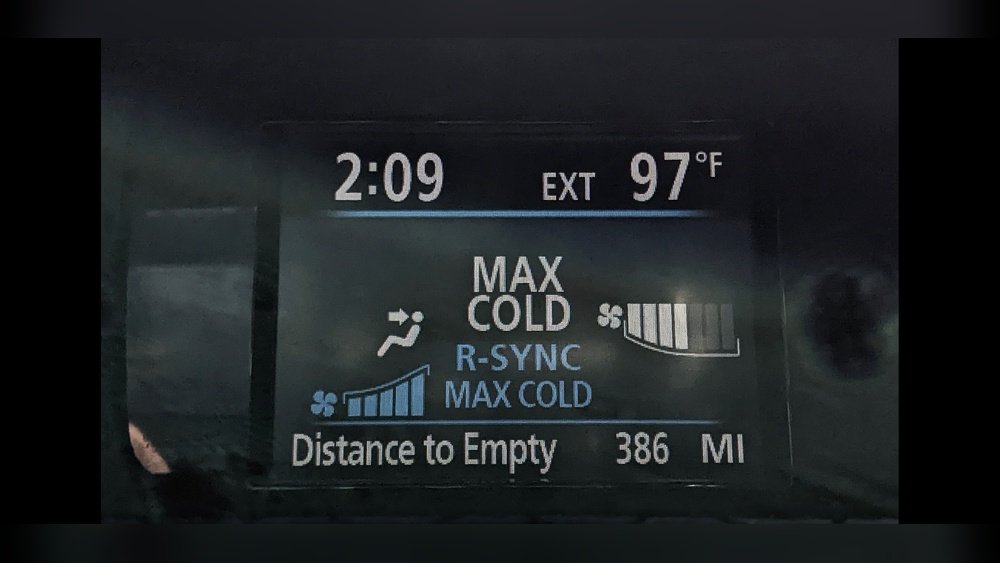
The fuel gauge isn’t always 100% accurate. Sometimes, the gauge may show empty before you’re truly out of gas, or it might give you a bit more range than you think. Temperature, parking on a slope, or fuel sloshing can affect readings. The distance to empty display is also an estimate based on recent driving. If you change your driving style or get stuck in traffic, the number can drop quickly.
What To Do If You’re Running Out Of Gas
If you notice the low fuel warning and realize you’re far from a gas station, here are some smart steps:
- Reduce Speed: Driving at lower speeds (around 35–45 mph) is more fuel-efficient than speeding.
- Turn Off Accessories: Switch off air conditioning, radio, and heated seats to save power.
- Avoid Heavy Traffic: If possible, take routes with less stop-and-go traffic.
- Coast When Possible: Lift your foot off the gas and coast to red lights or stop signs.
- Stay Calm: Stress can lead to bad decisions. Focus on smooth, steady driving.
- Plan Escape: Use your phone’s map to locate the nearest gas station and the shortest route.
Insider tip: Many Sienna drivers don’t realize that the hybrid model’s battery can give you a little “boost” if you run low, but not for long. Don’t count on the battery alone.
Should You Trust The “distance To Empty” Display?
The “distance to empty” (DTE) display in your Toyota Sienna is helpful, but not perfect. Here’s what beginners often miss:
- It’s an estimate. It uses your recent driving style and speed to guess how many miles you have left.
- Sudden Changes: If you start driving faster, the DTE will drop quickly.
- Buffer Zone: Most Siennas have a “hidden” reserve even after the DTE hits zero. But it’s not wise to rely on this.
If your DTE says 10 miles, you may have a bit more, but don’t take chances. Head to a gas station as soon as you can.
Tips To Avoid Running Out Of Gas
It’s best to avoid testing your Sienna’s limits. Here are some easy habits that help:
- Refuel at 1/4 tank: Make this your routine, especially on long trips or in bad weather.
- Use Apps: Gas station locator apps help you find fuel before it’s too late.
- Track Your Miles: Reset your trip meter every fill-up to learn your true range.
- Check the Manual: Your owner’s manual shows the exact tank size for your model year.
- Plan for Detours: Leave extra margin if you’re driving in unfamiliar areas.
Real Owner Experiences
Many Sienna owners share their stories online. Here are a few real-world examples:
- 2015 Sienna XLE: One owner reported driving 42 miles after the light came on, then refueling with 19.5 gallons—just before the tank ran dry.
- 2022 Sienna Hybrid: A driver went 36 miles after “empty” before filling up with 16 gallons, still having a small reserve.
- 2008 Sienna LE: A family took a risk and stretched it to 53 miles on empty, but the engine sputtered just as they reached the pump.
Key lesson: Even if you’ve gone far on empty before, it’s not guaranteed every time. Weather, traffic, or carrying more passengers can use more gas than you expect.

Credit: www.wsls.com
Common Mistakes Beginners Make
When it comes to driving on empty, many beginners:
- Trust the gauge too much: They think “10 miles left” means exactly 10 miles. It’s just an estimate!
- Forget about road conditions: Hills, stoplights, and heavy loads use extra fuel fast.
- Ignore warning lights: Waiting too long can lead to a dead engine at the worst time.
- Panic when the light comes on: Stay calm, check your route, and make smart choices.
Fuel System Details: What’s Happening Under The Hood?
The Toyota Sienna’s fuel system is designed to protect the engine and pump, but it’s not foolproof. Here’s how it works:
- Fuel Pump: Sits inside the tank and uses gasoline for cooling and lubrication. Running low risks overheating.
- Sediment: Over years, tiny bits of dirt and rust collect at the bottom. Low fuel can suck this debris into the system.
- Vapor: If the tank runs completely dry, air gets into the lines. Restarting the engine can be hard and may require towing.
Non-obvious insight: Even a single time running out of gas can shorten your fuel pump’s life, leading to expensive repairs.
How To Check Your True Range
Want to know your Sienna’s real “miles on empty”? Try this safe method:
- Fill your tank and reset your trip meter.
- Drive as usual until the low fuel light comes on.
- Check how many miles you’ve driven. Subtract about 35–45 miles for your reserve.
- Fill up and see how many gallons you add.
This helps you understand your Sienna’s unique range, which can be more accurate than the dashboard display.
When To Worry: Warning Signs
Watch for these signs that you’re about to run out of fuel:
- Engine sputtering or hesitation
- Loss of power, especially uphill
- Dashboard warning lights flashing
- “Distance to empty” shows zero or dashes
If you see these, pull over safely and call for help. Don’t try to “coast” to the next station if it’s far away.
Is It Worth Carrying Extra Fuel?
Some drivers carry a small gas can for emergencies. While this can help, remember:
- It’s safer to keep the can in your trunk, away from heat or sunlight.
- Use only approved containers.
- Never store fuel inside the passenger area.
Most Sienna owners find it’s easier to just refuel regularly and plan ahead.
Frequently Asked Questions
How Accurate Is The Toyota Sienna’s Fuel Gauge?
The fuel gauge gives a general idea but isn’t exact. Many factors, like temperature or parking angle, can affect the reading. Always treat the low fuel warning as a serious sign.
Can The Sienna’s “distance To Empty” Go Below Zero?
Yes, some drivers report driving a few miles even after the display hits zero. But this is risky and not recommended.
Does The Sienna Hybrid Go Farther On Empty Than The Gas Model?
Not always. The hybrid battery helps a little, but the reserve tank is smaller. Expect similar or slightly less range on empty.
What Happens If I Completely Run Out Of Gas?
The engine will stall, and you may need to prime the fuel system to restart. This could damage the fuel pump and require a tow.
Where Can I Find The Exact Fuel Tank Size For My Sienna?
Check your owner’s manual or look for a sticker inside the fuel door. For more details, visit the official Toyota Sienna website.
Every Toyota Sienna driver should know their minivan’s limits. Understanding how many miles you can go on empty can help you avoid stress and keep your vehicle in good shape. Remember, it’s always safer to refuel before the warning light comes on.
Safe travels!

Credit: www.serratoyota.com