Nissan Rogue Humming Noise When Driving: Causes and Fixes

If you drive a Nissan Rogue and suddenly hear a humming noise while on the road, it can be both annoying and worrying. Many owners notice this sound when driving at certain speeds or during turns. But what causes it? And is it something you should fix right away? Let’s break down the main reasons for a Nissan Rogue humming noise, how to find the source, and what steps you can take to solve it. This guide is perfect for beginners who want clear, simple answers.
Common Causes Of Humming Noise In Nissan Rogue
A humming noise usually comes from rotating parts on your vehicle. Many drivers first notice it on highways or when turning. Here are the most common reasons:
1. Worn Wheel Bearings
Wheel bearings help your wheels spin smoothly. Over time, they can wear out, especially if you drive on rough roads or hit potholes. A worn wheel bearing often makes a humming or growling sound that gets louder as you speed up.
2. Uneven Or Damaged Tires
Tires that are worn unevenly or have internal damage can create a low humming noise. This often happens when you haven’t rotated your tires regularly or if your wheels are out of alignment. Sometimes, a tire may develop a flat spot from sitting too long.
3. Transmission Issues
Your transmission is responsible for sending power to the wheels. If there’s a problem with the gears, bearings, or fluid, you might hear a humming sound. This noise often changes as you shift gears or speed up.
4. Failing Cv Joints
CV joints (constant velocity joints) allow your wheels to turn while the suspension moves. If a CV joint loses grease or gets damaged, it can make a humming or clicking noise, especially when turning.
5. Faulty Differential
The differential helps your wheels turn at different speeds during a turn. If it’s low on fluid or the gears are worn, it can create a humming or whining sound, especially when you accelerate.
6. Wheel Alignment Problems
When your wheels are not aligned, your tires can wear unevenly, which sometimes makes a steady humming sound. You may also notice your steering wheel vibrates or pulls to one side.
7. Brake Issues
While brakes often make a squeaking sound, worn brake pads or warped rotors can create a low humming noise, especially when braking or slowing down.
8. Bad Wheel Balancing
If your wheels are not balanced properly, you might hear a humming or vibrating noise at certain speeds. This often feels worse the faster you drive.
9. Road Surface
Some roads are rougher than others. A humming noise might be more noticeable on newly paved or grooved surfaces. If the sound disappears on a different road, it’s likely not your car.
10. Air Conditioning Or Hvac System
Sometimes, the HVAC system or air conditioning fan can make a humming sound. This is less common but worth checking if the noise happens only when your system is on.
How To Identify The Source Of The Humming Noise
Finding the root cause can save you time and money. Here’s how you can try to locate where the humming comes from:
Listen Carefully
- Does the noise get louder with speed? (Suggests tires, bearings, or transmission)
- Does it change when you turn? (Often wheel bearings or CV joints)
- Is it present only when the A/C is on? (Likely HVAC system)
Perform A Basic Inspection
- Check tires for uneven wear or bulges.
- Wiggle each wheel by hand (when safely parked) to feel for looseness.
- Look for leaking fluids under the car.
Test While Driving
- Try driving at different speeds and listen for changes.
- Turn the steering wheel left and right gently. If the noise changes, it may be a wheel bearing.
- Turn off the A/C to see if the noise stops.
Use A Mechanic’s Stethoscope
For those who want to be more hands-on, a mechanic’s stethoscope can help pinpoint noises under the car. But for beginners, often listening and simple checks are enough.
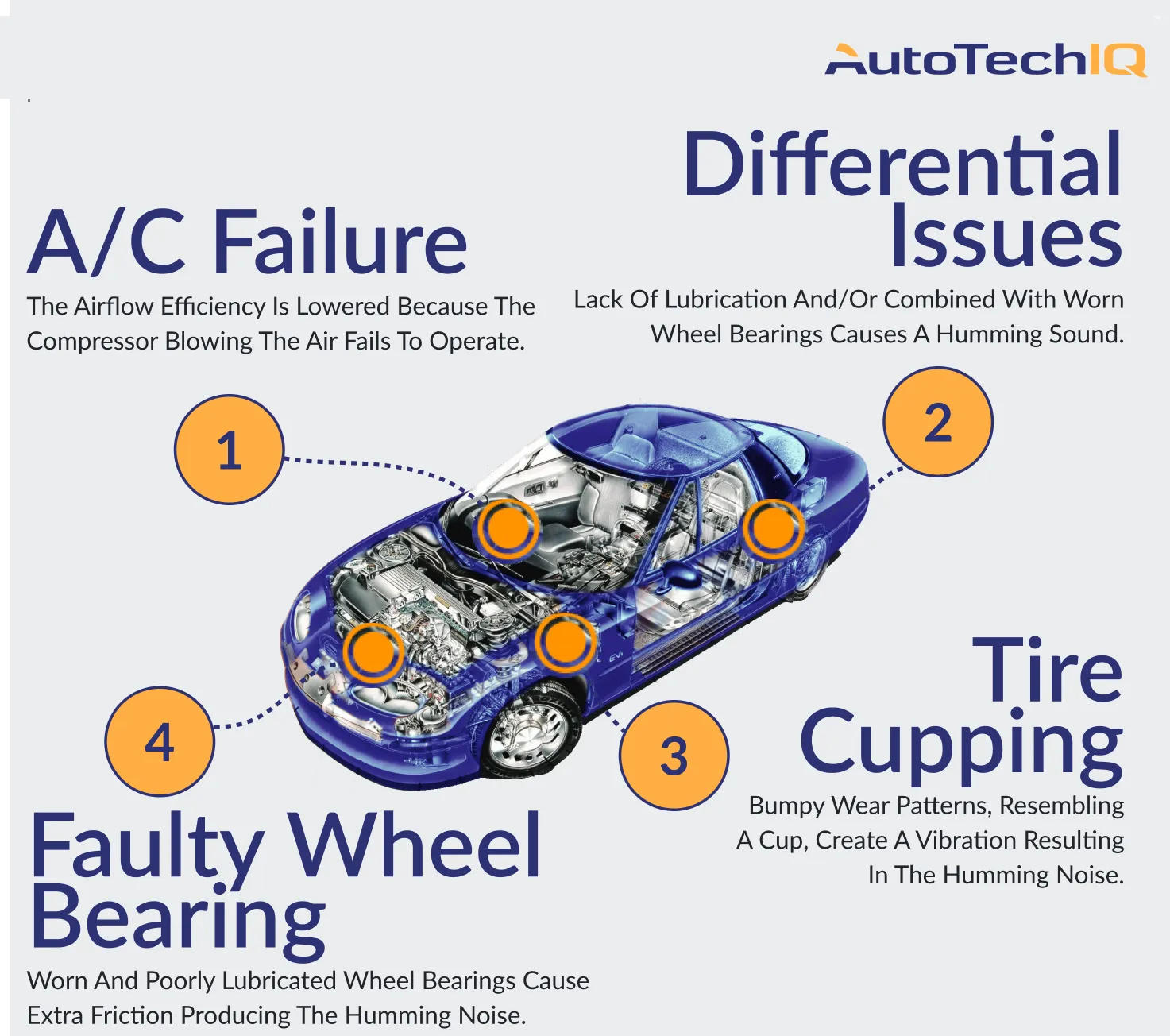
Credit: www.autotechiq.com
Comparing Common Causes By Noise And Symptoms
This table shows how some of the most common problems compare:
| Problem | Noise Description | When It Occurs | Other Signs |
|---|---|---|---|
| Wheel Bearing | Humming/Growling | Speeds up with car | Noise changes in turns |
| Tires | Low hum/thumping | At certain speeds | Uneven tread wear |
| Transmission | Humming/Whining | During acceleration | Shifting problems |
| CV Joint | Humming/Clicking | Turning | Grease leaks near wheel |
| Differential | Whining/Humming | At all speeds | Fluid leaks under middle of car |
What Should You Do If You Hear A Humming Noise?
Some noises are more serious than others. Here’s what you can do:
- Don’t ignore it. Even small noises can mean bigger problems if left alone.
- Check your tires first. They’re easy to inspect and often the cause.
- Schedule a mechanic check-up. If you can’t find the source, a professional can diagnose and fix it.
- Describe the noise clearly. Note when it happens, how loud it is, and if it changes with speed or turns. This helps your mechanic find the problem faster.

Credit: www.youtube.com
How Much Does It Cost To Fix A Humming Noise In Nissan Rogue?
The price depends on the cause. Here’s a comparison of typical repair costs:
| Repair | Estimated Cost (USD) | Time Needed |
|---|---|---|
| Wheel Bearing Replacement | $250 – $500 | 2-3 hours |
| Tire Replacement | $400 – $700 (set of 4) | 1 hour |
| Wheel Alignment | $80 – $150 | 1 hour |
| CV Joint Repair | $350 – $800 | 2-4 hours |
| Differential Service | $200 – $400 | 1-2 hours |
| Transmission Repair | $1,000+ | 1-3 days |
Tip: Prices can change based on where you live and the age of your car. Always ask for a quote before repairs.
Can You Fix Humming Noise Yourself?
If you’re comfortable with basic car work, you can check and fix some problems yourself:
- Rotate tires if they’re unevenly worn.
- Check tire pressure and inflate as needed.
- Inspect for loose wheel nuts.
- Look for leaks under the car.
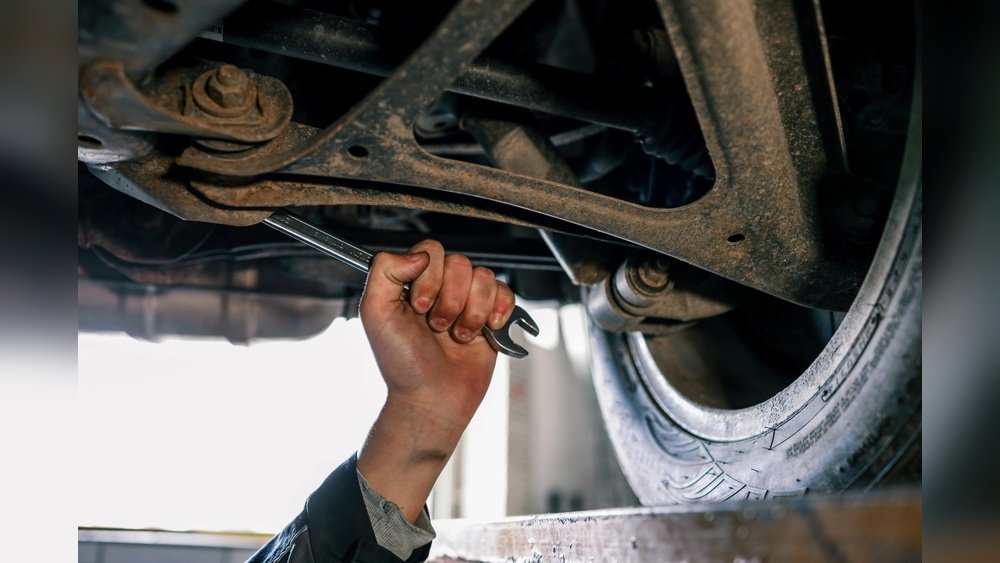
However, replacing wheel bearings, fixing CV joints, or repairing the transmission should be left to professionals. These jobs require special tools and experience.

Credit: www.reddit.com
Preventing Humming Noises In The Future
A little maintenance goes a long way. Here are some tips to avoid humming noises:
- Rotate tires every 5,000–7,500 miles. This helps them wear evenly.
- Check tire pressure monthly. Under-inflated tires can cause noise and wear.
- Get wheel alignments yearly or whenever you notice the car pulling to one side.
- Listen for new sounds. Fixing problems early is cheaper than waiting.
- Follow your Nissan Rogue’s maintenance schedule for fluid changes and inspections.
Non-obvious Insights For Beginners
Many new drivers focus only on the engine, but a lot of humming comes from wheels, tires, and suspension. Also, some noises are not dangerous but signal that something is wearing out—fixing them early can save hundreds of dollars. Another tip: even a small stone stuck in the tire tread can create a humming or thumping sound. Always check for debris if the noise started suddenly after driving on gravel.
When Is A Humming Noise Dangerous?
Not all humming noises mean your car will break down tomorrow. But a loud, growing noise—especially if it’s paired with vibration, pulling, or warning lights—means you should visit a mechanic soon. Ignoring a bad wheel bearing, for example, can cause your wheel to lock up or even fall off, which is very unsafe.
If your Nissan Rogue is still under warranty, some repairs (like wheel bearings or transmission problems) might be covered. Check with your dealer before paying out of pocket.
Real-world Example
Let’s say you hear a humming sound at 40 mph, which gets louder at 60 mph and disappears when you turn left. This points strongly to a right front wheel bearing issue. Why? Because turning left puts more weight on the right side, making the bad bearing noisier. Fixing the bearing right away avoids more expensive repairs later.
Data: How Often Do Nissan Rogue Owners Report Humming Noise?
According to owner forums and consumer sites, about 1 in 10 Nissan Rogue owners report a humming noise before 100,000 miles, most commonly from wheel bearings or tires. Many cases are fixed quickly, but ignoring the sound can lead to more serious (and expensive) problems.
Should You Worry About A Humming Noise?
It’s normal to be concerned, but most humming noises are not urgent if you address them soon. However, it’s always better to be safe. A simple check-up now can prevent a breakdown later.
For more technical details on car noises, you can read the overview by the Wikipedia.
Frequently Asked Questions
Why Does My Nissan Rogue Hum Only At Highway Speeds?
At higher speeds, small problems like worn bearings, unbalanced wheels, or tire issues become more noticeable. The faster you go, the louder these noises can get.
Can A Humming Noise Be Caused By Cheap Or Old Tires?
Yes. Low-quality or old tires can wear unevenly and make a humming or thumping sound. Always use tires that match your Rogue’s recommended size and type.
Is It Safe To Drive With A Humming Noise?
If the noise is quiet and doesn’t get worse, you can drive short distances. But if it gets louder, or you feel vibration, get it checked right away. Some issues, like bad wheel bearings, can be dangerous if ignored.
How Do I Tell If The Noise Is From The Front Or Rear?
Try sitting in the back seat while someone else drives. If the noise is louder in the back, it’s likely from the rear wheels or suspension. Mechanics can also test drive and pinpoint the source.
Will Fixing A Humming Noise Improve My Gas Mileage?
Sometimes, yes. Problems like under-inflated tires or bad bearings can make your engine work harder, reducing fuel economy. Fixing these issues may help save gas.
Paying attention to a humming noise in your Nissan Rogue is smart. With a little care and quick action, you can keep your vehicle safe and avoid expensive repairs. If you’re ever in doubt, ask a trusted mechanic for help—your peace of mind is worth it.