How to Reset Check Engine Light Toyota Highlander in Minutes

If you drive a Toyota Highlander, you may have seen the check engine light come on at some point. This small, yellow or orange light on your dashboard can be worrying. But what does it really mean? And how can you turn it off safely? Resetting the check engine light can seem difficult, especially if you’re not a car expert. But with the right steps, anyone can do it. This guide will show you simple, beginner-friendly ways to reset the check engine light in your Toyota Highlander, explain what causes it, and help you avoid future problems.
What The Check Engine Light Means
The check engine light (CEL) is part of your Highlander’s onboard diagnostics system. When your car’s computer finds a problem with the engine, transmission, or emissions system, it turns on this light. Sometimes it’s a small issue, like a loose gas cap. Other times, it can be something serious, like a failing sensor or engine trouble.
Many drivers ignore this light because the car seems to run fine. But that’s not a good idea. The check engine light is an early warning. Fixing problems early can save you money and keep your car running well.
Common Reasons The Check Engine Light Comes On
Understanding the main causes helps you decide what to do next. Here are the most common reasons your Highlander’s check engine light may turn on:
- Loose or faulty gas cap – If the cap is not tight, fuel vapors escape, and the computer triggers the light.
- Faulty oxygen sensor – This sensor measures the air-fuel mix. If it fails, the car pollutes more and loses efficiency.
- Bad catalytic converter – Converts harmful gases to less harmful ones. If it fails, emissions and fuel use go up.
- Old spark plugs or wires – Worn plugs make the engine misfire or run rough.
- Faulty mass airflow sensor – This sensor helps manage fuel injection. Problems cause stalling and poor performance.
- Vacuum leaks – Cracked hoses or seals let extra air in, confusing the computer.
- Issues with the EGR valve – This part helps reduce emissions. If it gets stuck, you may see the light.
- Battery or electrical problems – A weak battery or corroded terminals can trigger the light.
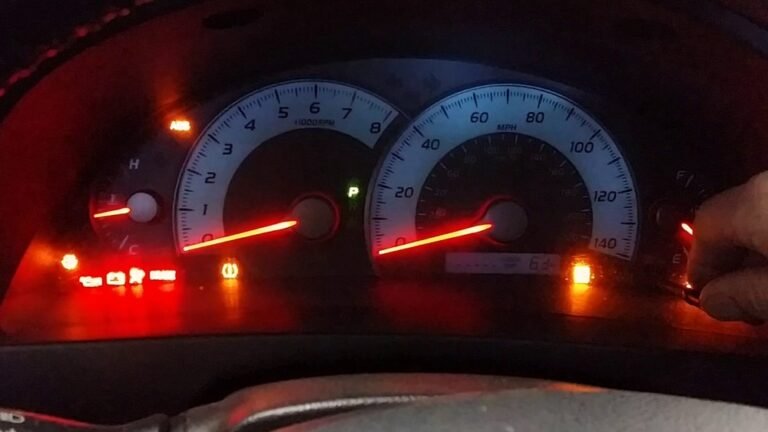
Most of these problems are not emergencies, but you should not ignore them. If the check engine light is blinking, stop driving and get help right away. A flashing light means serious engine trouble.

Credit: www.woburntoyota.com
Should You Reset The Light Before Fixing The Problem?
It’s tempting to just turn off the light and forget about it. But this can be risky. If you reset the light without fixing the problem, the issue will come back—and it could get worse. The best approach is to find out why the light came on, fix the cause, and then reset the light.
Some issues, like a loose gas cap, can be fixed by tightening the cap. The light may turn off by itself after driving a short distance. For other problems, you’ll need to read the trouble code and repair the fault.
How To Check The Diagnostic Code
Your Highlander has a computer system called OBD-II (On-Board Diagnostics, version 2). When the check engine light comes on, the system saves a trouble code. You can read this code with a device called an OBD-II scanner. Many auto parts stores will check it for free.
Here is a quick comparison of OBD-II scanner options:
| Scanner Type | Cost | Features | For Beginners? |
|---|---|---|---|
| Basic Handheld | $20–$50 | Reads/Clears codes, simple display | Yes |
| Bluetooth Adapter | $15–$40 | Works with phone apps, real-time data | Yes |
| Professional | $100+ | Advanced diagnostics, live data | No, more complex |
If you’re a beginner, a basic handheld scanner or a Bluetooth adapter is easiest. Just plug it into the OBD-II port (usually under the dashboard), turn the key to ON, and follow the scanner’s instructions. The code will tell you what went wrong.
Step-by-step Methods To Reset The Check Engine Light
After you fix the problem or check the codes, you might want to turn off the light. Here are the most common ways:
1. Using An Obd-ii Scanner
This is the safest and most reliable way.
- Turn off the car and remove the key.
- Find the OBD-II port under the dashboard (usually near the driver’s left knee).
- Plug in the scanner and turn the key to the ON position (engine off).
- Follow the scanner instructions to read and clear codes.
- Unplug the scanner, start your car, and check if the light is gone.
Most scanners have a button or menu called “Erase” or “Clear DTCs. ” Use it only after fixing the cause.
2. Disconnecting The Battery
This method resets the car’s computer, but it can also erase other settings, like radio presets.
- Turn off the engine.
- Open the hood and find the car battery.
- Use a wrench to remove the negative cable (black) from the battery terminal.
- Wait 10–15 minutes. This lets the car’s computer reset.
- Reconnect the cable and tighten it.
- Start the car to see if the light is off.
One non-obvious tip: Some new Highlander models store codes in memory and may not reset with this method. Always try the OBD-II scanner first.
3. Fixing The Cause And Waiting
If the problem is minor and you fix it (like tightening the gas cap), the computer will re-check the system. If all is well, the light will turn off after a few driving cycles (usually 3–5 trips).
Quick Example:
You forgot to tighten the gas cap after filling up. The light comes on. You tighten the cap, drive for a day or two, and the light disappears.
4. Letting A Mechanic Reset It
If you don’t feel comfortable, most mechanics can reset the light after repairs. This is common after major work or smog checks.
When Resetting The Light Doesn’t Work
Sometimes, the check engine light comes back right after you reset it. This means the original problem was not fixed, or there’s a new issue.
Here’s a comparison of possible results:
| Action Taken | Light Stays Off? | Reason |
|---|---|---|
| Fixed problem and reset light | Yes | All issues cleared |
| Reset light, problem not fixed | No | Fault code returns |
| Reset light after minor issue (e.g., loose cap) | Yes, sometimes automatically | Computer runs tests, confirms fix |
If the light comes back, check the codes again and look for deeper problems. Some issues, like a bad catalytic converter, need professional help.

Credit: www.youtube.com
Mistakes To Avoid When Resetting The Check Engine Light
Many beginners make simple mistakes that can cause frustration or even damage. Here are a few to avoid:
- Resetting the light without fixing the problem – The light will come back, and you may miss a serious issue.
- Forgetting to check the trouble code – Always read the code first. It guides your repair.
- Disconnecting the battery on a new model – This may not work on newer Highlanders and can erase valuable settings.
- Ignoring a blinking light – This means engine damage is likely. Don’t drive—get help right away.
- Using the wrong scanner – Some cheap scanners may not work with all Highlander years or models.
Non-obvious Insights For Beginners
- Drive cycles matter: After fixing a problem, the check engine light may not turn off right away. The car’s computer must see several “good” driving cycles before it clears the light. So, don’t panic if it stays on for a day or two after a minor fix.
- Emissions testing: In many US states, your car must pass an emissions test. If you reset the check engine light just before the test, your car may fail. The computer needs time (sometimes 50–100 miles) to complete all checks. Plan ahead if you need a smog test.

Credit: www.beechmonttoyota.com
Preventing Future Check Engine Light Issues
You can’t avoid every problem, but there are smart habits that help reduce check engine surprises:
- Tighten the gas cap after every fuel stop.
- Change spark plugs and air filters as recommended.
- Use high-quality fuel and oil.
- Schedule regular maintenance (oil changes, tune-ups).
- Check for recalls that may affect your Toyota Highlander (visit NHTSA Recall Site).
- Inspect hoses and wires for wear or damage.
Regular care keeps your car healthy and makes it less likely you’ll see the check engine light.
When To Seek Professional Help
Some problems are too complex or risky for beginners to fix. If you notice these signs, get a professional mechanic:
- Flashing check engine light
- Strange noises or smells
- Engine running rough or losing power
- Smoke from the exhaust
- Multiple warning lights on the dashboard
Waiting can make repairs more expensive and damage your engine.
Frequently Asked Questions
What Does It Mean If The Check Engine Light Is Flashing?
A flashing check engine light means there is a serious engine problem, often a misfire that can damage the catalytic converter. Stop driving and get professional help right away.
Will My Car Pass Emissions If I Just Reset The Check Engine Light?
No. If you reset the light, the car’s computer has to run its tests again. If all tests are not complete, your car may fail the emissions check. Drive your car for a week or about 100 miles before testing.
Can I Use Any Obd-ii Scanner With My Toyota Highlander?
Most OBD-II scanners work with all Highlander models from 1996 onward, but some very old or very new models may need a special scanner. Bluetooth scanners that use apps are usually a good choice for beginners.
Is It Safe To Drive With The Check Engine Light On?
If the light is steady and the car runs fine, it’s usually safe to drive for a short time. But you should check the code and fix the problem soon. If the light blinks or the car runs badly, stop and call for help.
Does Disconnecting The Battery Always Reset The Check Engine Light?
Not always. Newer Highlanders may store the fault code in permanent memory. Also, disconnecting the battery can erase other settings, like the clock and radio presets. Using an OBD-II scanner is usually better.
Taking care of your Toyota Highlander doesn’t have to be stressful. With these beginner-friendly steps, you can handle the check engine light with confidence, save money, and keep your car running smoothly. If you’re ever in doubt, don’t hesitate to ask a professional or check trusted resources like the On-Board Diagnostics Wikipedia page for more information.