What Spark Plugs Does Nissan Use? Expert Guide & Top Picks

Nissan is one of the world’s most recognized car makers, producing reliable vehicles for decades. If you drive a Nissan, you might wonder about the spark plugs your engine uses. Many people know spark plugs are important, but not everyone understands why the right spark plug matters, how to choose one, or when to change it. This guide explains everything you need to know about Nissan spark plugs in simple, clear language.
What Are Spark Plugs, And Why Do They Matter?
A spark plug is a small but vital part of your car’s engine. It creates the spark that ignites the air and fuel inside the engine. Without spark plugs, your Nissan would not start or run. Each cylinder in your engine has one spark plug (some high-performance engines may have more).
The spark plug’s job is to:
- Start the engine by making a spark
- Keep the engine running smoothly
- Help burn fuel efficiently
If your spark plugs are old or the wrong type, your Nissan might run poorly, waste fuel, or even fail to start.
Types Of Spark Plugs Used In Nissan Vehicles
Not all spark plugs are the same. Nissan vehicles use several types, depending on the model, year, and engine design. Choosing the correct type is important for performance and longevity.
| Type | Material | Typical Lifespan | Used In |
|---|---|---|---|
| Copper | Copper core, nickel tip | 20,000-30,000 miles | Older Nissan models |
| Platinum | Platinum tip | 60,000-100,000 miles | Some modern Nissans |
| Iridium | Iridium tip | 100,000+ miles | Most recent Nissan models |
| Double Platinum | Platinum on both electrodes | Up to 100,000 miles | Special Nissan engines |
Copper Spark Plugs
Copper spark plugs were common in older Nissan models. They are affordable but wear out faster. If you have a Nissan from the 1990s or early 2000s, you might still use these. They need replacement more often than other types.
Platinum Spark Plugs
Platinum spark plugs last longer and are better for fuel efficiency. Some mid-2000s and newer Nissans use these as standard. They cost more than copper but save you time and money because you replace them less often.
Iridium Spark Plugs
Most modern Nissan cars, like the Altima, Sentra, and Rogue, use iridium spark plugs. They last the longest and provide the best performance. Iridium is very hard and resists wear, making these spark plugs ideal for newer engines.
Double Platinum Spark Plugs
A few Nissan engines require double platinum spark plugs. These are even more durable than standard platinum plugs and are designed for engines with a special ignition system.

Credit: www.youtube.com
Which Spark Plugs Does Nissan Use For Each Model?
Choosing the right spark plug depends on your Nissan’s model and year. Nissan usually recommends a specific spark plug brand and type for each engine. Here’s a look at some popular Nissan models and their recommended spark plugs:
| Nissan Model | Engine Type | Recommended Spark Plug |
|---|---|---|
| Altima (2013–present) | 2.5L I4 | Iridium (NGK or Denso) |
| Sentra (2013–present) | 1.8L I4 | Iridium (NGK or Denso) |
| Rogue (2014–present) | 2.5L I4 | Iridium (NGK) |
| Frontier (2005–2021) | 4.0L V6 | Platinum (NGK) |
| 370Z (2009–2020) | 3.7L V6 | Iridium (NGK) |
| Pathfinder (2013–2020) | 3.5L V6 | Iridium (NGK) |
| Maxima (2016–present) | 3.5L V6 | Iridium (NGK or Denso) |
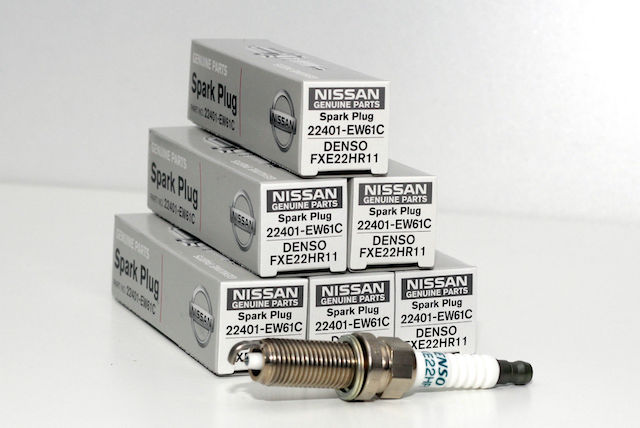
Note: Always check your Nissan owner’s manual for the exact spark plug part number and brand. Nissan typically uses NGK or Denso as the original equipment (OE) spark plug suppliers.
How To Identify The Right Spark Plug For Your Nissan
Finding the correct spark plug can be confusing for beginners. Here are simple ways to make sure you choose correctly:
- Check Your Owner’s Manual: The manual lists the exact type and part number.
- Look Under the Hood: Sometimes there’s a sticker with the spark plug info.
- Use OEM Parts: “OEM” means “original equipment manufacturer.” These are the same parts Nissan uses at the factory.
- Don’t Guess: Even if another plug fits, it might not work well in your engine.
If you are unsure, ask your Nissan dealer or a trusted mechanic for help.
Credit: www.nissanpartsplus.com
Common Brands Of Nissan Spark Plugs
Nissan works closely with two main spark plug makers:
- NGK: Most Nissan vehicles come with NGK spark plugs from the factory.
- Denso: Some models, especially in Asia, use Denso spark plugs.
Both brands are known for high quality and reliability. You can buy these plugs at dealerships, auto parts stores, or online.
When Should You Change Nissan Spark Plugs?
Changing spark plugs at the right time keeps your Nissan running smoothly. The change interval depends on the spark plug type and driving conditions.
- Copper: Change every 20,000–30,000 miles
- Platinum: Change every 60,000–100,000 miles
- Iridium: Change every 100,000 miles (sometimes longer)
If you drive in heavy traffic, tow, or drive in dusty conditions, change spark plugs a little earlier.
Non-obvious insight: Even if your Nissan seems fine, worn spark plugs can slowly reduce fuel economy and power. Many drivers do not notice the drop until the plugs are replaced and the engine feels “new” again.

Credit: www.youtube.com
Signs Your Nissan Needs New Spark Plugs
Look for these warning signs:
- Hard starting or the engine cranks but doesn’t start easily
- Rough idle or shaking at stoplights
- Loss of power when accelerating
- Poor fuel economy (more trips to the gas station)
- Check engine light comes on
If you notice one or more of these, inspect your spark plugs soon.
How To Replace Spark Plugs In A Nissan
Replacing spark plugs is a simple task for some people, but tricky for beginners. Here’s how to do it safely:
- Gather tools: You’ll need a spark plug socket, a ratchet, and possibly an extension.
- Let the engine cool: Working on a hot engine can burn you.
- Remove engine cover (if present): This gives access to the spark plugs.
- Disconnect ignition coils or wires: Gently unplug the coil or wire from each spark plug.
- Remove the old plug: Use the socket and ratchet to unscrew the spark plug.
- Check the gap: Most new plugs are pre-gapped, but it’s smart to check with a gap tool.
- Install the new plug: Hand-thread it first, then tighten with the ratchet—but not too tight.
- Reconnect coils/wires: Plug them back in.
- Replace the engine cover.
Practical tip: Replace spark plugs one at a time. This helps avoid mixing up the ignition coil or wire order.
Mistakes To Avoid When Choosing Or Replacing Spark Plugs
- Using the wrong type or size: Not all spark plugs are the same. The wrong plug can cause engine damage.
- Over-tightening: This can break the spark plug or strip the threads inside the engine.
- Not checking the gap: Even “pre-gapped” plugs can be wrong. Always check if you have the tool.
- Mixing old and new plugs: Always replace all plugs at once for even engine performance.
- Ignoring the owner’s manual: The manual has the best advice for your Nissan.
Non-obvious insight: Many drivers think “premium” spark plugs will make their Nissan faster or more powerful. In reality, using the exact type Nissan recommends gives the best results.
Performance And Aftermarket Spark Plugs: Do You Need Them?
Some stores sell “high-performance” spark plugs. For most Nissan drivers, these are not necessary. Only buy special plugs if you have a turbocharged or modified engine, or if Nissan specifically recommends them.
Using aftermarket plugs not approved by Nissan can cause engine misfires, check engine lights, or even damage.
Cost Of Spark Plugs For Nissan Vehicles
Spark plugs are not expensive compared to other car parts. Prices vary by type:
- Copper: $2–$5 each
- Platinum: $6–$12 each
- Iridium: $8–$18 each
Labor costs for replacement range from $50 to $150, depending on how hard it is to reach the spark plugs in your engine.
Where To Buy Genuine Nissan Spark Plugs
- Nissan dealerships: Always have the right part, but usually at higher prices.
- Auto parts stores: Carry NGK and Denso plugs.
- Online retailers: Amazon, RockAuto, and others sell genuine and aftermarket spark plugs.
Always make sure you buy the correct part number. Check return policies if you are unsure.
Environmental Impact Of Spark Plugs
Modern spark plugs help engines run cleaner and use less fuel. Worn spark plugs can increase emissions and waste gasoline. Replacing your spark plugs on time is a simple way to reduce your carbon footprint.
Note: Used spark plugs are metal and can be recycled at most auto shops or recycling centers.
Trusted Resources For Nissan Owners
If you want to learn more about spark plugs, engine maintenance, or Nissan vehicles, visit the official Nissan Owners Maintenance Schedule page. It has detailed guides and schedules for all Nissan models.
Frequently Asked Questions
What Happens If I Use The Wrong Spark Plugs In My Nissan?
Using the wrong spark plugs can cause poor engine performance, rough idling, or even engine damage. Always use the spark plug type and size Nissan recommends for your specific model.
How Do I Know Which Spark Plug Brand My Nissan Uses?
Most Nissan vehicles use NGK or Denso spark plugs. Check your owner’s manual or look under the hood for a sticker with the correct part number and brand.
Can I Upgrade To Iridium Spark Plugs If My Nissan Uses Copper?
Yes, in most cases you can upgrade to iridium spark plugs for longer life and better performance. However, make sure the new spark plug matches Nissan’s specifications for your engine.
How Often Should I Check Or Replace Nissan Spark Plugs?
Check your spark plugs every 30,000 miles or according to your owner’s manual. Replace them based on the spark plug type—copper (20,000–30,000 miles), platinum (60,000–100,000 miles), iridium (100,000+ miles).
Are Spark Plugs Covered Under Nissan’s Warranty?
Spark plugs are usually considered a wear-and-tear item and are not covered after a certain mileage. Check with your Nissan dealer for details about your warranty coverage.
Choosing and maintaining the right spark plugs is one of the simplest ways to keep your Nissan reliable and fuel-efficient. With the right information, you can save money, avoid engine problems, and enjoy smooth driving for years to come.