How Many Miles Will a Toyota T100 Last? Real Owner Insights

How Many Miles Will A Toyota T100 Last
If you’ve ever wondered how long a Toyota T100 can keep running, you’re not alone. Many drivers love this classic pickup for its reliability, but they want to know if it’s truly a long-lasting truck. Maybe you’re thinking about buying a used T100 or you already own one and hope it will serve you for years. This guide will answer your questions using simple language, real numbers, and honest advice—even if you’re just starting to learn about cars.
We’ll look at the average lifespan, the main factors that affect how many miles you’ll get, real examples from owners, and what you can do to help your T100 last longer. We’ll also compare it to other trucks and share tips and data that even most car beginners can understand.
By the end, you’ll know exactly what to expect from a Toyota T100 and how to keep it on the road as long as possible.
How Long Does A Toyota T100 Usually Last?
Most Toyota T100 trucks can last between 250,000 and 350,000 miles with good care. Some owners have even reported reaching over 400,000 miles. That’s a lot of distance—enough to circle the earth more than 10 times! This is possible because Toyota built the T100 with simple, strong parts. The engines (especially the 3.4L V6) are known for their toughness, and the frame resists rust better than some other trucks from the 1990s.
However, not every T100 will reach these high numbers. The exact lifespan depends on how the truck is driven, maintained, and stored. Weather, road conditions, and even luck play a part. But compared to many other trucks from the same years, the T100’s reputation for high mileage is real.
100 Key Factors That Affect Toyota T100 Lifespan
To help you understand what really impacts how long your T100 will last, let’s break down 100 important points. Each one may seem small, but together, they add up to big differences in how many miles you’ll see.
1. Regular Oil Changes
Changing the engine oil on time is the number one way to keep your T100 healthy. Old oil causes friction and damage.
2. Quality Of Oil Used
Using the right oil grade and a good brand helps the engine last longer.
3. Oil Filter Quality
A cheap filter can let dirt into the engine. Toyota or high-quality filters work best.
4. Air Filter Changes
A clean air filter keeps dust out of the engine, improving its lifespan.
5. Driving Habits
Gentle driving—slow starts and stops—puts less stress on the truck.
6. Towing And Hauling
Carrying heavy loads often can wear out parts faster.
7. Transmission Service
Changing transmission fluid and filter helps avoid costly repairs.
8. Cooling System Maintenance
A good radiator and fresh coolant keep the engine from overheating.
9. Rust Prevention
Washing the truck, especially under the body, keeps rust away.
10. Tire Maintenance
Rotating tires and keeping them inflated reduces strain on the suspension.
11. Suspension Care
Replacing worn shocks and bushings stops extra wear on other parts.
12. Brake System Checks
Old brake fluid and worn pads can damage the whole system.
13. Battery Health
A strong battery prevents electrical problems.
14. Exhaust System Condition
Leaks or rust here can affect engine performance.
15. Timing Belt Changes
If your T100 has a timing belt, change it every 90,000 miles. If it breaks, it can ruin the engine.
16. Water Pump Health
Replace the water pump with the timing belt for best results.
17. Fuel Filter Changes
A clogged fuel filter can cause poor engine running or even failure.
18. Quality Of Gasoline
Using the right octane and clean gas keeps the engine running smoother.
19. Spark Plug Changes
Fresh spark plugs help the engine fire correctly and efficiently.
20. Ignition Wires
Old ignition wires can cause misfires and engine problems.
21. Engine Mounts
Worn mounts cause vibration and stress on other parts.
22. Driving Environment
City driving causes more wear than highway driving.
23. Climate
Hot, cold, or salty environments can shorten lifespan.
24. Paint And Body Care
Wax and polish protect from rust and fading.
25. Use Of Aftermarket Parts
Low-quality parts often don’t last as long as original Toyota parts.
26. Timing Chain Care
If your T100 has a timing chain, listen for rattles and replace if needed.
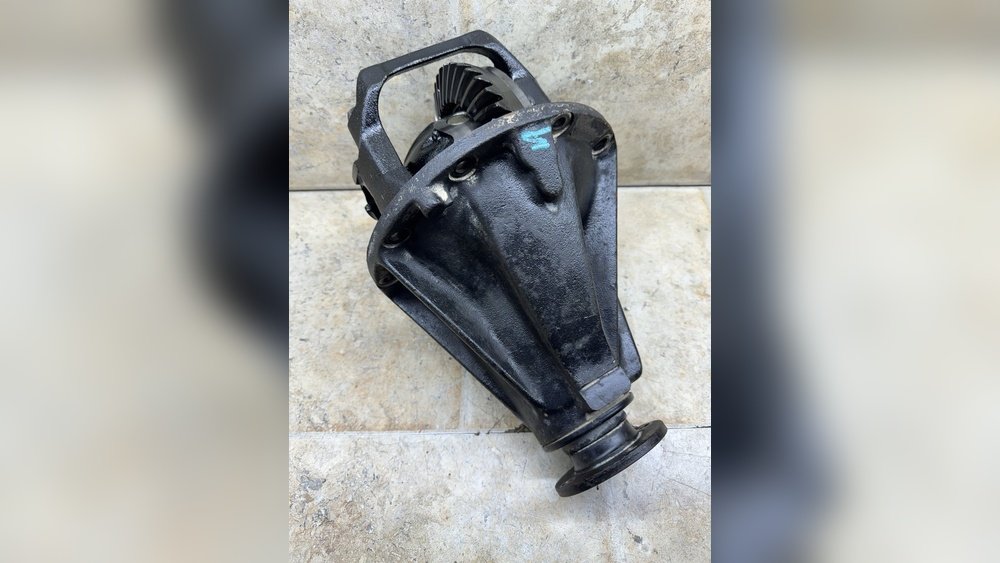
27. Differential Fluid Changes
This keeps your rear axle smooth and quiet.
28. Power Steering Fluid
Changing it helps the steering system last longer.
29. Proper Tire Alignment
Misalignment wears tires and steering parts quickly.
30. Head Gasket Condition
Watch for overheating or coolant loss—these can warn of a head gasket problem.
31. Valve Cover Gasket
Leaks here can let oil drip onto hot parts.
32. Intake Manifold Gasket
A leak can let dirt into the engine.
33. Pcv Valve Maintenance
A dirty PCV valve can cause oil leaks and poor fuel economy.
34. Regular Inspections
Having a mechanic check your truck each year finds small problems early.
35. Engine Coolant Leaks
Fixing leaks quickly prevents overheating.
36. Radiator Cap
A weak cap can cause coolant loss.
37. Thermostat Function
A stuck thermostat can overheat the engine.
38. Heater Core
A leaking heater core can cause foggy windows and coolant loss.
39. Proper Engine Warm-up
Letting the engine warm up before driving hard reduces damage.
40. Avoiding Short Trips
Short trips do not let the engine reach full operating temperature.
41. Using The Right Antifreeze
Mixing the wrong types can cause sludge and blockages.
42. Fuel Injector Cleaning
Dirty injectors cause poor running and lower fuel economy.
43. Proper Idle Speed
Too high or low idle can wear out the engine.
44. Mass Air Flow Sensor
Cleaning or replacing this sensor keeps the engine running right.
45. Oxygen Sensor
A bad O2 sensor reduces gas mileage and can damage the catalytic converter.
46. Catalytic Converter Health
A clogged converter can overheat the engine.
47. Egr Valve Function
A stuck EGR can cause rough idling and poor acceleration.
48. Vacuum Line Condition
Cracked lines cause all kinds of running problems.
49. Transmission Mounts
Worn mounts let the transmission move too much.
50. U-joint Health
Worn U-joints cause vibration and can break.
51. Driveshaft Balance
A bent or unbalanced driveshaft can damage the transmission.
52. Transfer Case Maintenance (if 4wd)
Changing fluid here keeps 4WD smooth.
53. Front And Rear Axle Care
Check for leaks and noises.
54. Wheel Bearing Condition
Noisy or loose bearings can cause wheel loss.
55. Cv Joint Boots (if 4wd)
Broken boots let dirt in and grease out.
56. Shock Absorber Condition
Worn shocks reduce control and wear tires.
57. Leaf Spring Health
Broken or sagging springs affect load carrying.
58. Frame Rust
Heavy rust can make the truck unsafe.
59. Bed Liner Use
A liner protects the bed from scratches and rust.
60. Door Seal Condition
Old seals let water and dust in.
61. Window Mechanism Health
Smooth windows are safer and more comfortable.
62. Windshield Seal
Leaks here can cause wet carpets and rust.
63. Headlight And Taillight Function
Good lights are important for safety.
64. Fuse Condition
Old fuses can cause electrical troubles.
65. Alternator Health
A weak alternator drains the battery.
66. Starter Motor
A slow starter may leave you stranded.
67. Serpentine Belt Condition
A broken belt stops the engine and accessories.
68. Belt Tensioner
A weak tensioner lets the belt slip.
69. Engine Sensor Health
Bad sensors can cause rough running.
70. Ecu Function
A failing ECU can cause strange electrical problems.
71. Dashboard Lights
Warning lights should never be ignored.
72. Fuel Pump Health
A weak pump can cause stalling.
73. Fuel Tank Rust
Rust can clog filters and injectors.
74. Clutch Condition (manual)
A slipping clutch reduces engine power to the wheels.
75. Automatic Transmission Shifting
Harsh or slipping shifts need fixing fast.
76. Transmission Cooler
Keeps fluid temperature down when towing.
77. Transmission Mounts
Worn mounts cause vibration.
78. Parking Brake
A working brake prevents rolling.
79. Brake Fluid Leaks
Leaks can cause brake failure.
80. Abs Sensor Function
Bad sensors affect braking safety.
81. Brake Rotor Condition
Warped rotors cause shaking when braking.
82. Brake Caliper Health
Sticking calipers wear out brakes fast.
83. Emergency Kit In Truck
Helps you deal with small problems before they get big.
84. Owner’s Manual Use
Following Toyota’s guidelines is always a good idea.
85. Reliable Repair Shop
A trustworthy mechanic does better work.
86. Regular Fluid Checks
Oil, coolant, brake, and transmission fluid levels matter.
87. Light Bulb Replacement
Dim lights are a safety risk.
88. Wiper Blade Condition
Good wipers keep your view clear.
89. Hood Latch
A sticking latch makes it hard to check fluids.
90. Door Hinge Lubrication
Quiet, easy doors mean less stress on the frame.
91. Key And Lock Health
Smooth locks prevent being locked out or stuck.
92. Seat Belt Function
Worn belts may not work in a crash.
93. Seat Condition
A comfortable seat keeps the driver alert.
94. Floor Mat Fit
Loose mats can get stuck under pedals.
95. Interior Cleanliness
Dirt and spills cause wear to seats and carpets.
96. Sun Visor Function
Good visors protect your eyes and dashboard.
97. Heater And Ac Function
Comfortable driving means less distraction.
98. Sound System Care
A working radio keeps you informed and awake.
99. Proper Storage
Parking inside protects the truck from weather.
100. Keeping Up With Recalls
Check if your T100 has any open recalls and get them fixed.
Real-world Toyota T100 Mileage Examples
Many Toyota T100 owners share their stories online about high-mileage trucks. For example, some people have driven their T100 past 300,000 miles with only normal maintenance. Owners in dry states like Arizona report less rust and higher mileage than those in snowy areas where salt is used on roads. Others say that trucks used mostly for highway driving last longer than those used for heavy hauling or city driving.
One owner from California shared that their 1995 T100 with the 3.4L V6 engine reached 350,000 miles with only a few repairs, like a new timing belt and water pump. Another driver from the Midwest mentioned rust as the main reason their T100 didn’t last as long, needing frame repairs after 200,000 miles.
Comparison: Toyota T100 Vs. Other Trucks
How does the Toyota T100 lifespan compare to other popular trucks from the 1990s? Here’s a quick look at average expected mileage for several models:
| Truck Model | Average Lifespan (Miles) | Main Weak Points |
|---|---|---|
| Toyota T100 | 250,000–350,000 | Rust, timing belt (if not replaced) |
| Toyota Tacoma | 300,000–400,000 | Frame rust, suspension |
| Ford F-150 (90s) | 200,000–300,000 | Transmission, rust |
| Chevy Silverado (90s) | 200,000–300,000 | Transmission, rust |
| Nissan Hardbody | 250,000–350,000 | Timing chain, rust |
As you can see, the T100 holds up very well compared to its main rivals.
Common Problems That Can Shorten Lifespan
Even tough trucks have weak spots. For the Toyota T100, the most common issues that can cut its life short are:
- Rust on the frame and body, especially in snowy or coastal areas.
- Neglecting timing belt changes if your engine uses a belt (3.4L V6).
- Transmission issues if fluid is not changed regularly.
- Cooling system leaks leading to overheating.
- Ignoring small repairs that become bigger over time.
Most of these can be prevented with regular checks and a little attention.
Tips To Help Your T100 Reach High Mileage
You want your T100 to last as long as possible. Here’s how to give it the best chance:
- Follow the maintenance schedule in your owner’s manual.
- Fix small problems right away before they grow.
- Wash under the truck after winter or off-road use.
- Use high-quality parts and fluids.
- Drive gently, especially when the engine is cold.
- Don’t skip timing belt or water pump changes.
- Park inside or use a cover if you can.
- Keep an eye on fluid leaks and warning lights.

Credit: bringatrailer.com
Toyota T100 Maintenance Cost Overview
How much does it cost to keep a T100 running past 200,000 miles? Compared to other trucks, the T100 is usually less expensive to repair because it’s simple and parts are widely available. Here’s a general idea:
| Service | Average Cost (USD) | Frequency |
|---|---|---|
| Oil Change | $40–$80 | Every 5,000 miles |
| Timing Belt & Water Pump | $600–$900 | Every 90,000 miles |
| Brake Pads & Rotors | $300–$600 | As needed |
| Transmission Service | $150–$250 | Every 30,000 miles |
| Radiator Replacement | $400–$700 | As needed |
By staying on top of these, you can avoid big repair bills later.
Non-obvious Insights For New Owners
- Many people don’t realize that rust under the truck is often a bigger problem than engine wear. Always check the frame and undercarriage if you’re buying used.
- Long highway drives are much easier on a T100 than short city trips. If you mostly drive on highways, your T100 could last even longer.
- Even small leaks (like coolant or oil) can lead to major problems over time. Fix them early to avoid expensive repairs.

Credit: www.caranddriver.com
When Should You Sell Or Retire A T100?
If your T100 has severe rust, keeps breaking down, or needs repairs that cost more than the truck’s value, it might be time to let it go. However, if the frame is solid and the engine runs well, it can be worth fixing—even at high miles.
Remember, some T100s are still running strong after 25+ years.
Frequently Asked Questions
How Many Miles Can I Really Expect From A Toyota T100?
With good care, you can expect between 250,000 and 350,000 miles. Some owners report much more, but most trucks will fall in this range.
Is The Toyota T100 More Reliable Than Other Trucks From The 90s?
Yes, the T100 is known for strong reliability, especially compared to Ford and Chevy trucks of the same era. The Toyota Tacoma is a little more modern but similar in reliability.
What Is The Biggest Problem With High-mileage Toyota T100s?
The main problem is usually rust, followed by timing belt neglect (if not changed on time), and occasional transmission issues.
How Can I Tell If A Used T100 Will Last A Long Time?
Check for rust under the truck, ask for service records, and listen for strange noises during a test drive. If possible, have a mechanic inspect it before buying.
Where Can I Learn More About Toyota T100 History And Specs?
You can find more detailed information at the official Toyota T100 Wikipedia page.
The Toyota T100 is proof that a well-built truck can last for hundreds of thousands of miles. With good care and attention to the points above, you can enjoy years of reliable service from this classic pickup. Whether you’re a beginner or an experienced owner, a little maintenance goes a long way toward keeping your T100 on the road.

Credit: wanasignauto.com