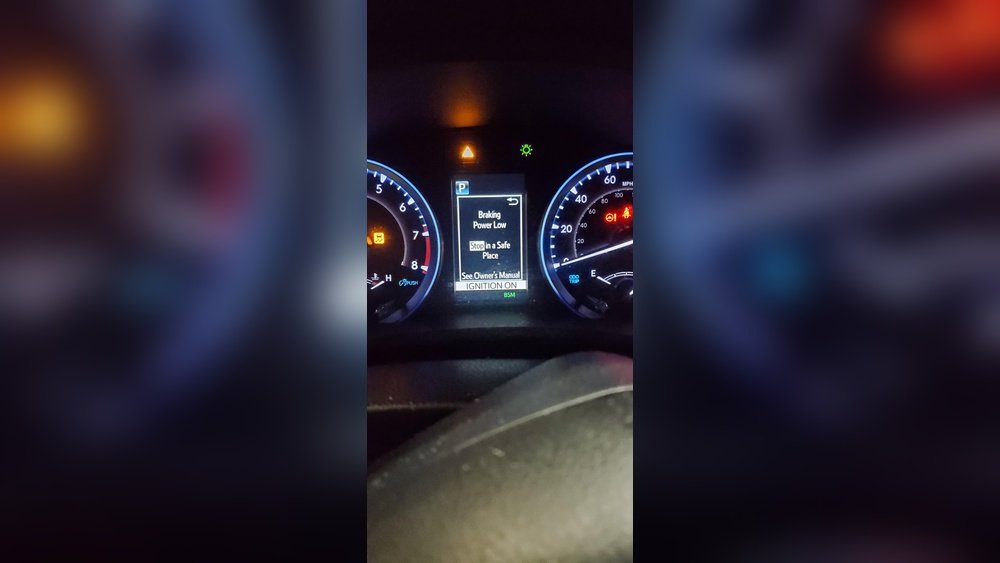
What Does Braking Power Low Mean Toyota Highlander: Expert Guide

If you see the warning “Braking Power Low” on your Toyota Highlander, it’s natural to feel worried. Your brakes are one of the most important safety features in your car. This message is not something to ignore. For many drivers, especially those new to modern vehicles, it can be confusing to understand what this alert really means, why it appears, and what you should do next. Let’s break down everything you need to know in simple terms, so you can stay safe and make smart decisions if you ever see this warning.
What Does “braking Power Low” Mean?
When your Toyota Highlander shows the “Braking Power Low” message, the car is telling you that your brakes might not work as well as they should. This warning does not always mean your brakes will fail right away, but it does mean there is a problem that could make stopping your car harder or slower than normal.
Most modern Highlanders use advanced brake systems, including brake boosters and, in hybrid models, regenerative braking. These systems help you stop your car smoothly and with less effort. If something is wrong—like a loss of brake fluid, electrical problems, or sensor issues—the car will warn you before your brakes lose too much power.
Why Is This Warning Important?
Driving with low braking power can be dangerous. Your car may need a longer distance to stop, or the brakes might feel “soft” or unresponsive. In some cases, the brake pedal can even go all the way to the floor.
Ignoring this message puts you, your passengers, and others on the road at risk.
Common Causes Of “braking Power Low” In Toyota Highlander
Many things can trigger the “Braking Power Low” alert. Here are the most common causes and how each one affects your car:
- Low Brake Fluid: Brake fluid helps transfer force from your foot to the brakes. If the fluid is low, the system cannot work properly, and the warning appears.
- Worn Brake Pads or Rotors: Over time, brake pads wear down. If they are too thin, or the rotors are damaged, your car may sense a problem and trigger the alert.
- Faulty Brake Booster: The brake booster makes it easier to press the pedal. If it fails, you have to push harder to stop, and the car warns you.
- Electrical or Sensor Issues: Modern cars use sensors to check brake health. If a sensor fails or wiring is damaged, you might get a warning even if the brakes feel normal.
- Hybrid System Problems: In hybrid Highlanders, a problem with the regenerative braking system (which uses the electric motor to help stop the car) can cause this message.
- Vacuum Leaks: The brake booster often uses engine vacuum. A leak can reduce braking power and trigger the warning.
- ABS System Faults: The anti-lock braking system (ABS) helps you stay in control during sudden stops. If it malfunctions, the “Braking Power Low” warning can appear.
- Software Glitches: Sometimes, a computer issue or outdated software can trigger false warnings.
Let’s look closer at some of these causes in a comparison:
| Cause | Common Symptoms | Immediate Danger |
|---|---|---|
| Low Brake Fluid | Soft pedal, warning lights | High |
| Worn Pads/Rotors | Squealing, longer stops | Medium |
| Sensor/Electrical Issue | Warning light, no change in feel | Low to Medium |
| Hybrid System Problem | Regenerative braking not working | Medium |
How The Braking System Works In Toyota Highlander
To understand why this warning matters, let’s quickly explain how your brakes work. In most Highlanders, the system combines several parts:
- Brake Pedal: You press this with your foot.
- Brake Booster: This multiplies your foot pressure, so you don’t have to push hard.
- Master Cylinder: Pushes brake fluid through the lines.
- Brake Lines: Carry the fluid to each wheel.
- Calipers and Pads: Squeeze the brake rotors to slow the wheels.
- Regenerative Brakes (Hybrids): Use the electric motor to help slow the car.
If any part fails, your car can’t stop as quickly or safely.
Simple Diagram Of Brake System Parts
| Part | Main Function |
|---|---|
| Brake Booster | Helps you press the pedal easily |
| Brake Fluid | Transfers force to brakes |
| Brake Pads | Press on rotors to stop wheels |
| ABS Sensors | Monitor wheel speed and braking |
| Regenerative System | Electric braking in hybrids |
What To Do If You See “braking Power Low”
If this message appears, don’t panic. Here’s what you should do, step by step:
- Pull Over Safely: If possible, find a safe spot to stop, like a parking lot or the side of the road.
- Test the Brakes Gently: At low speed, press the brake pedal to see how the car responds. If it feels normal, you may drive slowly to a repair shop.
- Check for Other Warnings: Are there other lights, like ABS or brake fluid? Multiple warnings mean a more serious problem.
- Look for Leaks: Check under your car for puddles of clear, yellowish, or brown fluid. This could be brake fluid.
- Call for Help if Needed: If the pedal goes to the floor, or stopping feels difficult, call a tow truck. Do not risk driving.
- Do Not Ignore the Warning: Even if the car feels okay, get it checked as soon as possible.
When Is It Safe To Drive?
If the brakes work and only the light is on, you may drive slowly to a nearby mechanic. If the brakes feel weak, spongy, or the pedal is hard to press, do not drive the car.
Common Mistakes To Avoid
Many drivers make errors when they see this message for the first time. Here are some common mistakes and how to avoid them:
- Ignoring the Warning: Hoping the light will go away on its own is risky. Brakes can fail without warning.
- Adding Fluid Without Checking for Leaks: If brake fluid is low, you likely have a leak. Adding more will not fix the problem.
- Driving Long Distances: Even if the brakes feel okay, a small problem can get worse quickly.
- Trying to Fix Complex Issues Yourself: Modern brake systems are complex. DIY repairs can be dangerous unless you have training.
How Mechanics Diagnose The Problem
When you bring your Highlander to a mechanic, they use a step-by-step process:
- Visual Inspection: They look for leaks, worn parts, and damage.
- Check Brake Fluid: Low fluid is a red flag.
- Read Trouble Codes: Using a scan tool, they read error codes from the car’s computer.
- Test Drive: The mechanic may gently test the brakes to feel for problems.
- Inspect Brake Booster and Master Cylinder: They check these for leaks or failure.
- Check ABS and Hybrid System: Special tools check sensors and electronics.
This process helps pinpoint the real problem, so you don’t waste money on unnecessary repairs.

Credit: www.youtube.com
How Much Does It Cost To Fix?
Costs depend on the cause. Here’s a simple comparison:
| Repair Needed | Estimated Cost (USD) | Time to Fix |
|---|---|---|
| Add Brake Fluid (small leak) | $50 – $150 | 30 minutes |
| Replace Brake Pads/Rotors | $250 – $600 | 1-2 hours |
| Fix Brake Booster | $400 – $900 | 2-3 hours |
| Hybrid System Repair | $700 – $1,500 | 2-4 hours |
| Sensor/Electrical Repair | $100 – $300 | 1-2 hours |
Sometimes, what seems like a big problem is just a faulty sensor. Other times, a small leak can lead to major repairs if ignored.
Non-obvious Insights Beginners Miss
Many new drivers or car owners miss these important points:
- Hybrid and Electric Brakes Are Different: In hybrid Highlanders, the electric motor helps with braking. If you only check fluid and pads, you might miss a problem in the hybrid system.
- Warning May Flash for a Moment: Sometimes, the warning comes on briefly, especially in cold weather, then goes away. Even if it disappears, get your car checked soon. Intermittent warnings can mean a sensor is failing.
- Multiple Warnings Mean Bigger Problems: If you see “Braking Power Low” together with ABS and other lights, do not drive the car. This usually means a serious system failure.

Credit: www.reddit.com
Can You Prevent “braking Power Low” Warnings?
You can reduce the chance of seeing this warning by taking good care of your car:
- Check Brake Fluid Regularly: Open the hood and look at the brake fluid level every month.
- Replace Brake Pads Before They Wear Out: Listen for squealing or grinding.
- Get Regular Brake Inspections: Ask your mechanic to inspect your brakes at every oil change.
- Use the Right Brake Fluid: Always use the fluid recommended in your Highlander’s manual.
- Don’t Ignore Other Warning Lights: Deal with problems early to avoid bigger repairs.
Are There Any Recalls Or Known Issues?
Toyota has issued recalls for some Highlanders in the past related to braking systems. If your car is affected, repairs are usually free at the dealer. You can check for recalls by entering your VIN on the Toyota website or by visiting the NHTSA recall database.
When Should You See A Mechanic Immediately?
- The brake pedal feels very soft or goes to the floor
- You see fluid leaking under your car
- The “Braking Power Low” warning appears with other warning lights
- You hear grinding, squealing, or other unusual noises when braking
- The car takes longer to stop than usual
In these cases, do not drive the car. Call a tow truck and have it checked right away.
Frequently Asked Questions
What Does “braking Power Low” Mean On A Toyota Highlander?
It means your car has detected a problem with the brake system. This could be low brake fluid, worn brake pads, a faulty booster, or an issue with sensors or electronics. It is a safety warning that should not be ignored.
Is It Safe To Drive With The “braking Power Low” Warning?
If the brakes feel normal and there are no other warning lights, you may drive a short distance to a repair shop. If the brakes feel weak, spongy, or the pedal is hard to press, do not drive the car.
Get professional help.
How Do I Check The Brake Fluid In My Toyota Highlander?
Open the hood and locate the brake fluid reservoir. It is usually a small, translucent container near the back of the engine bay. Check that the fluid is between the “MIN” and “MAX” lines. If it’s low, add the correct type of brake fluid.
Can A Bad Sensor Cause The “braking Power Low” Warning?
Yes, a faulty sensor or damaged wiring can send false signals to the car’s computer, triggering the warning even if the mechanical parts are fine. A mechanic can scan your car to find the exact problem.
How Much Does It Cost To Fix “braking Power Low” Issues?
Costs range from $50 for a simple fluid top-up to over $1,000 for complex repairs in hybrid systems. The price depends on the cause, so have a mechanic diagnose the issue before deciding on repairs.
If you see “Braking Power Low” in your Toyota Highlander, treat it seriously. Quick action can keep you safe and prevent expensive repairs. Regular brake checks and prompt repairs are the best way to enjoy trouble-free driving.

Credit: www.youtube.com