When to Change Coolant Toyota: Essential Maintenance Guide

When you own a Toyota, you want it to last for many years. One thing that keeps your car running well is changing the coolant at the right time. Coolant, or antifreeze, is a special liquid that helps control your engine’s temperature. It stops the engine from getting too hot in summer and from freezing in winter. If you wait too long to change it, your Toyota might have overheating problems, leaks, or even expensive engine damage. But how do you know when to change coolant in your Toyota? This guide explains everything you need to know, in simple words, so you can keep your car safe and reliable.
What Does Coolant Do In Your Toyota?
Coolant is more than just colored water. It’s a mix of water and chemicals, usually ethylene glycol or propylene glycol. Here’s what it does:
- Prevents overheating by carrying heat away from the engine.
- Stops freezing in cold weather so your engine doesn’t crack.
- Protects against rust and corrosion inside the cooling system.
- Lubricates parts like the water pump for smoother operation.
If coolant gets old or dirty, it loses these important abilities. That’s why regular coolant changes are key to a healthy engine.
How Often Should You Change Coolant In A Toyota?
Toyota recommends a coolant change schedule based on the type of coolant and the model year. Not all Toyotas use the same coolant or need changes at the same time.
Typical Intervals
Most modern Toyota cars (from around 2004 and newer) use Toyota Super Long Life Coolant (SLLC), which lasts longer than older types. Here’s a general guide:
- First coolant change: 100,000 miles or 10 years (whichever comes first)
- After that: Every 50,000 miles or 5 years
Older Toyotas or special models may use Toyota Long Life Coolant (LLC), which needs more frequent changes:
- First change and every change: Every 30,000 miles or 3 years
Your Toyota’s owner’s manual will tell you the exact schedule for your car.
Why The Coolant Change Interval Matters
Coolant doesn’t just disappear. But over time, the chemicals break down and lose their power to protect your engine. If you skip coolant changes, rust, scale, and sludge can build up inside, blocking important passages. This causes the engine to overheat, which can lead to head gasket failure or worse.
Changing coolant on time is much cheaper than fixing an engine!
Signs Your Toyota Needs A Coolant Change
Sometimes, you might need to change coolant before the scheduled interval. Watch for these signs:
- Coolant color looks dirty – Fresh coolant is usually pink, red, or green (depending on type). If it looks brown or rusty, it’s time to change.
- Coolant level drops often – If you keep adding coolant, there might be a leak, or the coolant is too old.
- Sweet smell from the engine – Coolant has a sweet smell. If you notice this, it could mean a leak.
- Engine overheats – If the temperature gauge goes up or you see steam, old coolant could be the cause.
- Warning lights – Some Toyotas have a coolant temperature or maintenance light.
If you see any of these signs, check your coolant as soon as possible.
How To Check Coolant In Your Toyota
You don’t need to be a mechanic to check your coolant. Here’s how to do it safely:
- Wait for the engine to cool down. Never open the radiator cap on a hot engine.
- Open the hood and find the coolant reservoir. It’s a plastic tank with “Full” and “Low” marks.
- Look at the color and level. The coolant should be at or near the “Full” line and look clear, not dirty.
- If it’s low or dirty, plan to top up or change the coolant soon.
If you’re not sure, ask a trusted mechanic to check it for you.
The Right Type Of Coolant For Your Toyota
Not all coolants are the same. Using the wrong type can cause problems, especially in modern engines.
Common Toyota Coolant Types
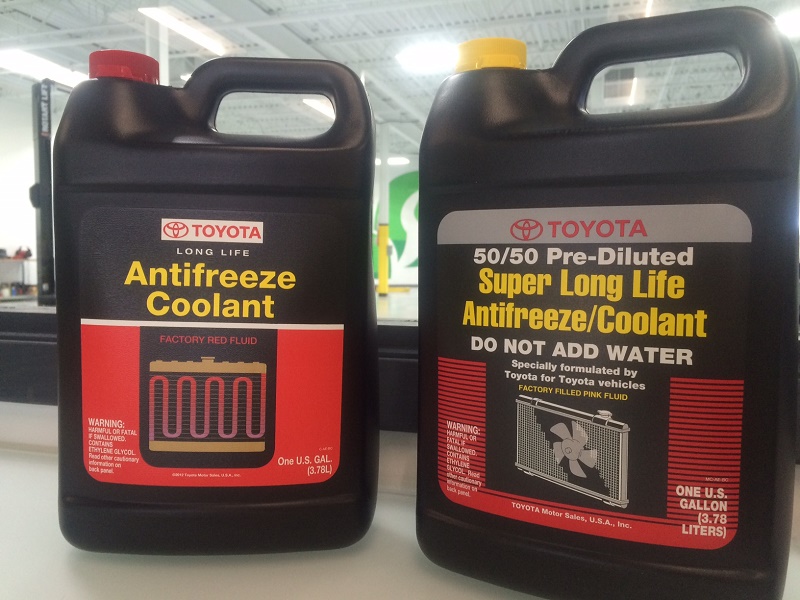
- Toyota Super Long Life Coolant (SLLC): Pink, premixed, lasts up to 100,000 miles for the first change.
- Toyota Long Life Coolant (LLC): Red, must be mixed with water, lasts up to 30,000 miles.
- Older green coolants: Not recommended for newer Toyotas.
Always use the coolant type listed in your owner’s manual. Mixing different types can reduce protection and even damage your engine.
Comparison Of Common Toyota Coolants
| Coolant Type | Color | Change Interval | Premixed? |
|---|---|---|---|
| Toyota SLLC | Pink | 100,000 miles (1st), 50,000 after | Yes |
| Toyota LLC | Red | 30,000 miles | No (must mix) |
| Universal Green | Green | Varies (not recommended for Toyota) | Varies |
Step-by-step: How To Change Coolant In A Toyota
If you want to do it yourself, here are the basic steps for changing coolant. This is a general guide—some models may be different.
- Gather supplies: Correct coolant, a container for old coolant, funnel, gloves, and safety glasses.
- Let the engine cool down. Safety first—never open a hot radiator.
- Open the radiator and drain plug. Place the container under the radiator and open the drain plug. Let old coolant flow out.
- Flush if needed. For best results, fill with water, run the engine briefly, and drain again to remove old residue.
- Close the plug and fill with new coolant. Pour in the new coolant until it reaches the “Full” mark on the reservoir.
- Run the engine with the heater on high. This removes air bubbles and circulates new coolant.
- Check the level again. Top up if needed.
Dispose of old coolant safely—never pour it down the drain. Most auto parts stores or service centers can help.
Credit: carspecmn.com
Diy Or Mechanic: What’s Best?
Changing coolant is possible for beginners, but some Toyotas have complex cooling systems or hard-to-reach parts. Here’s a comparison to help you decide:
| DIY Change | Professional Service |
|---|---|
| Cheaper | More expensive |
| Good for simple engines | Best for complex engines |
| Requires tools, time, and space | No effort needed from you |
| Easy to make mistakes | Work guaranteed |
If you’re unsure, it’s safer to let a professional handle the job.
What Happens If You Don’t Change Coolant?
Many people forget about coolant because they don’t see it every day. But skipping coolant changes can cause big problems:
- Corrosion inside the engine eats away at metal parts.
- Clogged radiator or heater core leads to poor heating and cooling.
- Overheating can warp the engine head or crack the block.
- Expensive repairs—sometimes thousands of dollars.
It’s much cheaper to change coolant on time than fix these problems later.
Common Mistakes When Changing Coolant
Beginners often make these errors:
- Using the wrong coolant type. Always check your manual.
- Mixing old and new coolant. This weakens protection.
- Forgetting to bleed air. Air pockets can cause overheating.
- Not disposing of coolant safely. It’s toxic to animals and people.
Take your time and follow each step carefully.
Extra Tips For Long-lasting Coolant
- Use distilled water if you need to mix coolant. Tap water can add minerals that cause scale.
- Check hoses and belts during coolant changes. Replace any cracked or worn parts.
- Keep records of when you change coolant for future reference.
- Inspect for leaks after a coolant change, especially under the car and around the radiator.
These small steps help you avoid problems and keep your Toyota in top shape.
Understanding “lifetime Coolant” Claims
Some dealers say their coolant is “lifetime. ” This usually means long-lasting, not forever. Even “super long life” coolants need changing after 100,000 miles or so. Heat, age, and driving style all wear down coolant over time. Trust your manual, not just marketing claims.
Cost Of Changing Coolant In A Toyota
The cost depends on your Toyota model and where you live. Here’s an example breakdown:
- DIY cost: $25–$50 (for coolant and supplies)
- Dealer or shop: $100–$200
It’s a small investment to protect your engine and avoid much bigger bills later.

Credit: www.youtube.com
How Coolant Change Affects Your Warranty
If your Toyota is under warranty, using the right coolant and changing it on time is important. Using the wrong coolant, or skipping changes, might void your coverage for engine problems. Keep receipts and service records as proof.
Toyota Coolant Change Vs. Other Brands
Toyota coolants are made for Toyota engines, with special additives to prevent corrosion and leaks. Other brands might not protect as well, especially in hybrid or aluminum engines.
| Brand | Recommended Coolant Type | Change Interval |
|---|---|---|
| Toyota | SLLC / LLC | 100,000 / 30,000 miles |
| Honda | Blue Type 2 | 60,000 miles |
| Ford | Motorcraft Orange | 100,000 miles |
Always use the type recommended for your car brand.
Where To Find More Help
For the latest information, visit your local Toyota dealer or check the official Toyota Owners website. They have model-specific guides, recalls, and maintenance tips.
Frequently Asked Questions
How Do I Know If My Toyota Has Super Long Life Coolant?
Check the coolant color in your reservoir. Super Long Life Coolant is usually pink and says “Toyota SLLC” on the bottle. Your owner’s manual also lists the type.
Can I Mix Different Coolant Brands In My Toyota?
It’s not safe. Mixing different brands or types can lower protection and cause clogs or leaks. Always use the coolant type recommended by Toyota.
What Happens If My Coolant Freezes?
If coolant freezes, it expands and can crack your engine or radiator. That’s why antifreeze is important. Always use the right mix for your climate.
Can I Use Water Instead Of Coolant In An Emergency?
In a short-term emergency, you can use water, but it doesn’t protect against rust or freezing. Replace with real coolant as soon as possible.
Is Coolant Change The Same As A Radiator Flush?
A coolant change replaces most of the old coolant. A radiator flush cleans out more dirt and sludge. For best results, do a full flush every few changes.
Caring for your Toyota’s cooling system is simple once you know what to look for. With regular coolant changes, you can drive with confidence and keep your engine safe for many years.

Credit: www.exclusivelyhybrid.com