What is VSA on Acura? Everything You Need to Know

What Is Vsa On Acura?
If you drive an Acura, or are thinking about buying one, you may have seen the term VSA mentioned in the car’s manual, on the dashboard, or in online forums. For many drivers, this acronym can be confusing. Yet, understanding what VSA is, how it works, and why it matters can make you a more confident and safer driver. Whether you’re new to Acura or just want to know more about your vehicle’s safety features, this guide explains everything you need to know about VSA in simple, beginner-friendly language.
What Does Vsa Mean?
VSA stands for Vehicle Stability Assist. It is Acura’s version of electronic stability control (ESC), a safety technology found in many modern cars. The main purpose of VSA is to help keep your Acura stable and under control, especially during emergency maneuvers or when driving on slippery roads.
When the car senses a loss of grip—like during a sharp turn, sudden lane change, or when you hit a patch of ice—VSA steps in to help prevent skidding or sliding. It does this by automatically adjusting the brakes and sometimes reducing engine power.
How Does Vsa Work?
The VSA system is always active while you drive, unless you manually turn it off. It uses sensors in the car to monitor how the vehicle is moving and how you’re steering. Here’s a simple explanation of what happens:
- The system compares your steering input (where you want to go) with the actual movement of the car (where the car is going).
- If it detects a difference—like the car sliding sideways instead of turning as intended—VSA automatically applies brake pressure to one or more wheels.
- In some cases, VSA also reduces engine power to help slow the vehicle and regain control.
This all happens in fractions of a second, faster than any human could react.
Key Components Of Vsa
- Wheel speed sensors: Monitor how fast each wheel is spinning.
- Steering angle sensor: Tells the system where you’re trying to steer.
- Yaw rate sensor: Measures rotation of the car around its center.
- Brake control module: Applies precise braking to individual wheels.
- Engine control unit (ECU): May reduce engine power if needed.
Each of these parts works together to keep your Acura moving safely.
Why Is Vsa Important?
For new drivers, or even experienced ones, losing control of a car is dangerous and scary. VSA is designed to prevent accidents by helping you stay in control during difficult situations. According to the National Highway Traffic Safety Administration (NHTSA), cars with stability control systems like VSA are involved in fewer fatal crashes compared to those without. In fact, the risk of fatal single-vehicle crashes can be reduced by over 50% with ESC.
Beyond statistics, VSA gives drivers extra confidence when driving in rain, snow, or on curvy roads. It doesn’t replace safe driving habits, but it adds a crucial layer of protection.
When Does Vsa Activate?
VSA works in the background every time you drive, but you might notice it most in these situations:
- Sharp or sudden turns: If you turn the steering wheel quickly, like to avoid an obstacle.
- Slippery surfaces: On wet, icy, or loose gravel roads where tires may slip.
- Uneven road conditions: When one side of the car has more grip than the other.
- Accelerating too quickly: If the wheels start to spin when you press the gas hard.
A VSA indicator light on your dashboard usually flashes when the system is actively working. If the light stays on, it may signal a problem (more on this later).
Vsa Vs. Traction Control
Many people confuse VSA with traction control. While both systems help keep your car stable, they are not exactly the same.
- Traction control: Focuses on preventing the wheels from spinning when you accelerate. It helps you get moving on slippery surfaces.
- VSA: Looks at the overall stability of the car, especially when turning or swerving. It can apply brakes to any wheel and reduce engine power.
Most Acura vehicles combine both features into the VSA system.
Here’s a simple comparison:
| Feature | Main Function | When It Works |
|---|---|---|
| VSA | Controls car stability (steering and sliding) | During turns, skids, or emergency maneuvers |
| Traction Control | Prevents wheel spin | When accelerating on slippery surfaces |
Vsa In Different Acura Models
VSA has been a standard feature in most Acura vehicles since the early 2000s. However, the way it operates and the dashboard symbols can vary by model and year. Here’s how VSA typically appears in popular Acura cars:
| Acura Model | First Year with VSA | VSA Dashboard Symbol |
|---|---|---|
| Acura MDX | 2001 | Car with skid marks |
| Acura TL | 2004 | Car with skid marks |
| Acura RDX | 2007 | Car with skid marks |
| Acura ILX | 2013 | Car with skid marks |
| Acura RLX | 2014 | Car with skid marks |
Tip: If you’re unsure whether your Acura has VSA, check your owner’s manual or ask your Acura dealer.
The Vsa Button: Turning Vsa On And Off
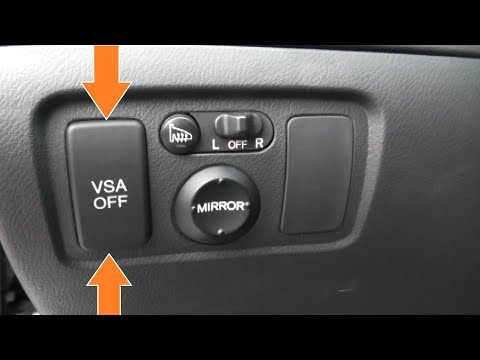
Most Acuras have a VSA button on the dashboard, usually to the left of the steering wheel. This button lets you turn VSA off in special cases, but in normal driving, you should always leave VSA on.
When Should You Turn Vsa Off?
There are a few rare situations where turning off VSA can help:
- Getting out of deep snow, sand, or mud: If the car is stuck, you may need more wheel spin to get moving.
- Using a spare tire: Some temporary spare tires can confuse the system.
After you free your vehicle or finish using the spare, turn VSA back on by pressing the button again.
Note: Driving with VSA off for regular trips is not recommended. You lose an important safety feature.
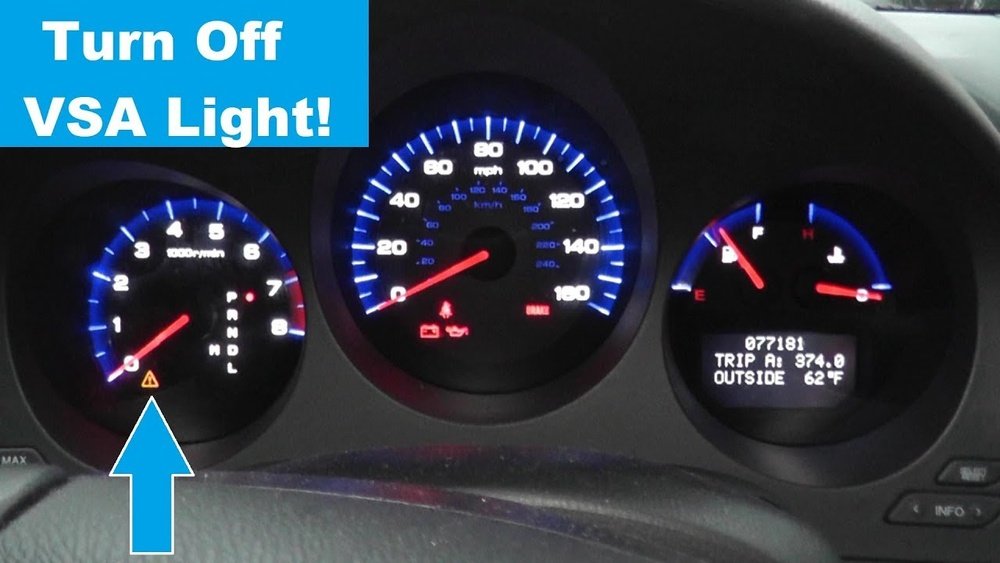
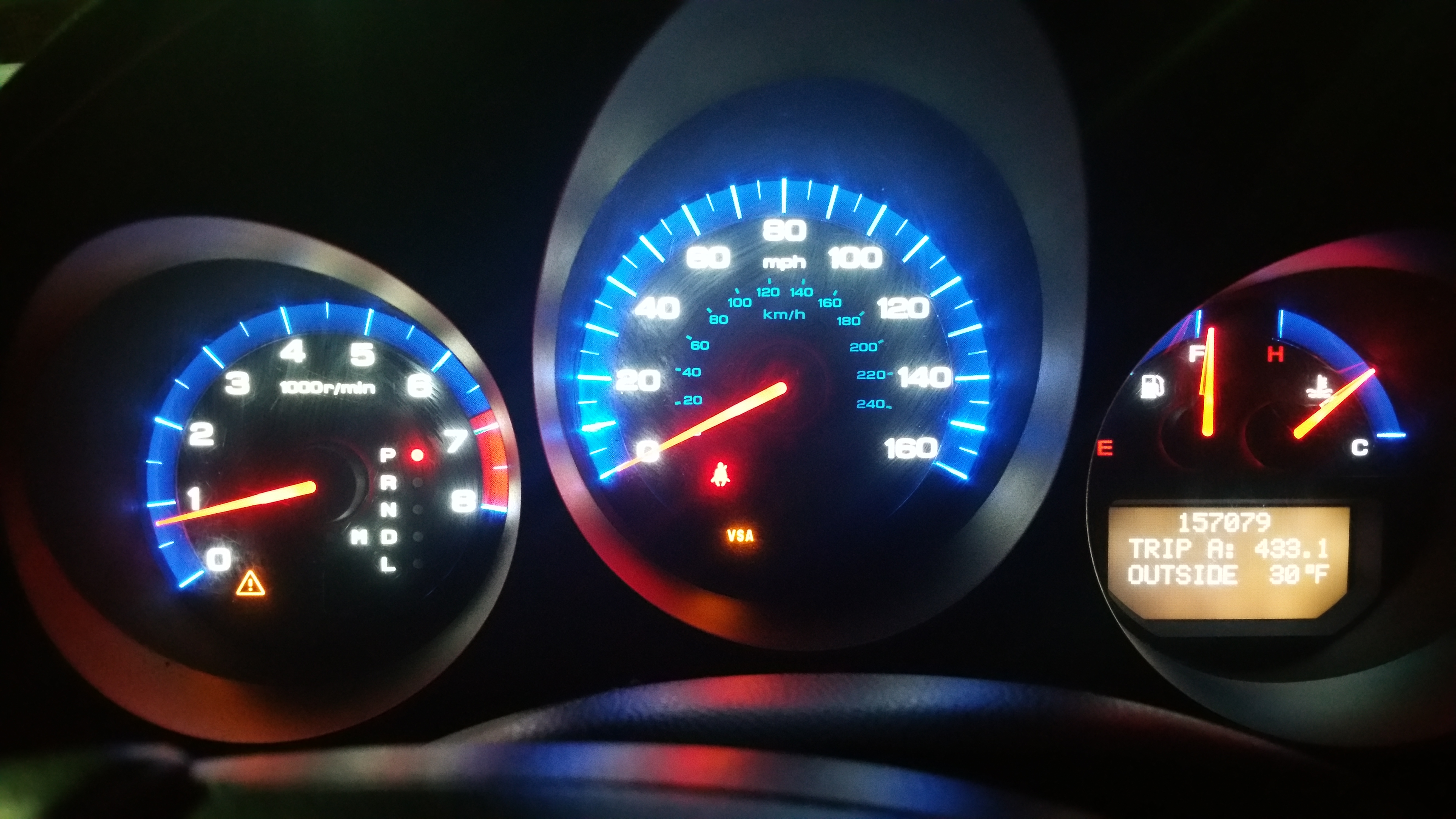
Understanding The Vsa Warning Light
Your Acura uses dashboard lights to tell you what’s happening with VSA. There are two main lights:
- VSA Activation Indicator (flashing): Shows VSA is working to keep your car stable.
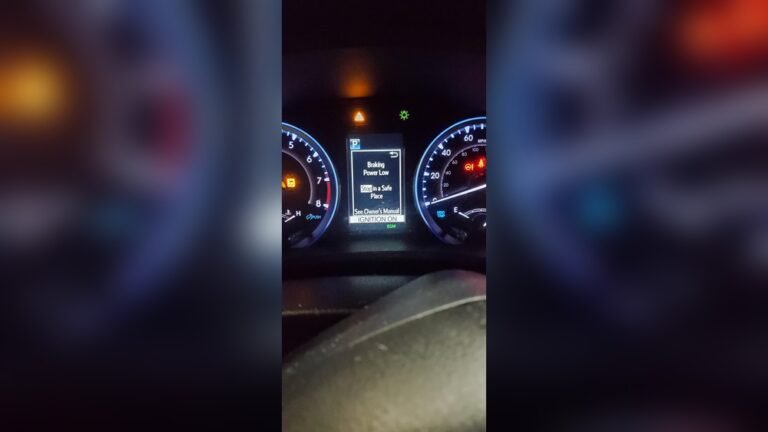
- VSA System Indicator (stays on): Warns of a possible problem with the system.
If the light stays on after starting the car or comes on while driving, it usually means there’s a fault. The car will still drive, but stability help may be reduced. Common causes include:
- Faulty wheel speed sensors
- Low brake fluid
- Damaged wiring
If this happens, have your Acura checked by a technician.
Credit: www.mdxers.org
How Vsa Improves Safety: Real-world Examples
Consider these real-life situations where VSA can make a big difference:
- Wet highway exit: You take a sharp exit ramp after a rainstorm. The rear tires start to slide. VSA senses this and quickly applies brakes to certain wheels, helping you stay on the road.
- Sudden swerve: A child runs into the street. You swerve, and VSA helps control the car so you don’t spin out.
- Icy driveway: You turn into your driveway during winter. VSA detects the loss of grip and keeps the car from sliding into a ditch.
In each case, VSA acts faster and more accurately than most drivers could react alone.
Common Misunderstandings About Vsa
Beginners often think VSA will “save” them in any situation. In reality, VSA is a support system, not a substitute for safe driving. Here are two common myths:
1. Myth: Vsa Stops All Skids.
Fact: VSA helps reduce risk, but it cannot defy the laws of physics. If you drive too fast for conditions, you can still lose control.
2. Myth: Vsa Is The Same As All-wheel Drive.
Fact: VSA works with both front-wheel and all-wheel drive systems but does not power all wheels. It controls stability, not power distribution.
Understanding these details helps you use VSA more wisely.
Credit: www.youtube.com
Maintenance And Care For Vsa
You don’t need to do much special maintenance for VSA, but keeping your car in good shape helps VSA work properly.
- Check tire pressure often. Uneven tires can confuse the sensors.
- Use matching tires. Mixing brands or sizes may cause false readings.
- Keep brake fluid topped up. Low fluid can trigger warnings.
- Service the brakes as needed. Worn brakes reduce VSA effectiveness.
If you see the VSA warning light, don’t ignore it. Get your car checked soon.
How Vsa Compares To Other Safety Features
VSA is just one part of your Acura’s safety system. It works together with:
- Anti-lock Braking System (ABS): Prevents wheels from locking up during hard braking.
- Electronic Brake Distribution (EBD): Spreads braking force for the best balance.
- Airbags: Protect you in a crash, but don’t prevent loss of control.
Here’s a quick look at how these systems compare:
| Safety Feature | Main Benefit | When It Helps |
|---|---|---|
| VSA | Stability and control | Slippery turns, swerves |
| ABS | Prevents wheel lock | Hard braking |
| Traction Control | Prevents wheel spin | Accelerating on ice/mud |
| Airbags | Crash protection | During a collision |
All these features work together to give you the safest drive possible.
Credit: acurazine.com
Two Insights Most Beginners Miss
- VSA doesn’t replace winter or performance tires. Even the best stability system can’t create grip where there is none. Using proper tires for the season is more important than many realize.
- VSA can sometimes limit aggressive driving. If you try to race or drift your Acura, VSA may cut power or apply brakes, even if you don’t want it to. Track drivers often turn VSA off for this reason, but this is never recommended for street driving.
Final Thoughts
Vehicle Stability Assist is one of the most valuable safety features in modern Acura vehicles. It quietly works in the background, helping you avoid dangerous situations without you even noticing. However, it’s not magic: safe driving and proper car care are still essential. Understanding how VSA works and what it can and cannot do will make you a smarter, safer Acura owner.
If you want to learn more about stability control systems, you can check out this in-depth overview from Wikipedia.
Frequently Asked Questions
What Does The Vsa Light Mean On My Acura?
The VSA light can mean two things. If it flashes, VSA is actively helping you control the car. If it stays on, there may be a problem with the system. Check your owner’s manual and have your car checked if the light stays on.
Can I Drive With The Vsa Light On?
You can drive, but your car’s stability help may not be working. Avoid fast driving or sharp turns, and have your Acura serviced soon.
How Do I Turn Vsa Back On If I Turned It Off?
Find the VSA button near the steering wheel and press it. The VSA system will turn back on, and the indicator light should go off.
Will Vsa Help In Heavy Snow Or Ice?
Yes, VSA helps keep your car stable in snow and ice, but it cannot overcome all slippery conditions. Drive slowly and use winter tires for best results.
Is Vsa The Same As All-wheel Drive?
No, VSA controls stability and applies brakes to specific wheels. All-wheel drive sends power to all wheels. Some Acuras have both features, but they are different systems.