How to Check Transmission Fluid in Nissan Rogue: Step-by-Step Guide

If you own a Nissan Rogue, keeping your vehicle healthy starts with some basic checks. One of the most important is your transmission fluid. This fluid helps your car shift gears smoothly, cools the transmission, and extends its life. Many drivers forget about it until there is a problem. But knowing how to check the transmission fluid in your Nissan Rogue can save you a lot of trouble and expensive repairs.
This article will walk you through every step. You will learn what transmission fluid is, why it matters, and how to check it safely. The focus is on beginners, so you do not need special tools or deep car knowledge.
Along the way, you’ll find tips, examples, and answers to common questions. By the end, you’ll be confident in checking and caring for your Rogue’s transmission fluid.
Understanding Transmission Fluid In The Nissan Rogue
Before starting, it helps to know what transmission fluid does. In your Nissan Rogue, the transmission moves power from the engine to the wheels. The fluid inside keeps everything working smoothly. It lubricates moving parts, helps cool the system, and lets the gears shift quietly.
There are two main types of transmissions for the Nissan Rogue:
- Automatic Continuously Variable Transmission (CVT) – Most modern Rogues have this.
- Traditional Automatic Transmission – Found in older models.
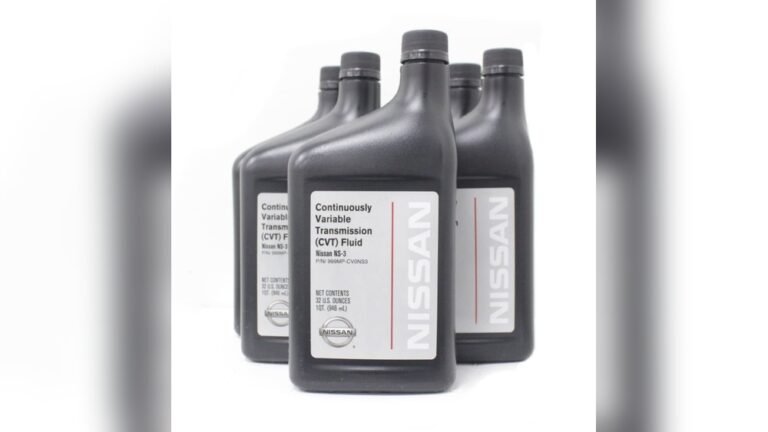
Nissan uses special CVT fluid, not regular automatic transmission fluid (ATF). Using the wrong type can damage your car. Always check your owner’s manual for the right fluid type.
Why Checking Transmission Fluid Matters
Transmission fluid is not “lifetime” fluid, even if some dealers say so. Over time, it breaks down and gets dirty. Low or old fluid can cause:
- Slipping gears
- Hard or delayed shifting
- Strange noises
- Transmission overheating
If you ignore these signs, you might face a full transmission failure. This can cost $3,000 or more to fix. Checking your fluid is a simple way to protect your car and wallet.
How Often Should You Check Transmission Fluid?
Nissan suggests checking the transmission fluid every 30,000 miles or two years, whichever comes first. But if you:
- Drive in hot weather
- Tow heavy loads
- Often drive in stop-and-go traffic
…then checking more often is smart. Early signs of trouble are easy to miss, so regular checks can catch problems before they get serious.

Credit: forums.nicoclub.com
Tools And Items You Need
You do not need many tools to check transmission fluid in a Nissan Rogue. Here’s what you should have:
- Owner’s manual – To confirm fluid type and dipstick location.
- Clean rag or paper towels – For wiping the dipstick.
- Gloves (optional) – To keep your hands clean.
- Flat parking area – For accurate fluid readings.
- Flashlight (optional) – To see markings clearly.
For some newer Nissan Rogues, there may be no dipstick. In these cases, checking the fluid is more complex and may require a trip to your dealer or mechanic.
Step-by-step Guide To Checking Transmission Fluid In Nissan Rogue
Here is a simple way to check your transmission fluid. The steps are for Rogues with a dipstick (usually models before 2014). If your Rogue does not have a transmission dipstick, see the next section.
1. Park On A Level Surface
Make sure your car is on a flat, level spot. This helps you get an accurate reading. Set the parking brake for safety.
2. Warm Up The Engine
Start your car and let it run until it reaches normal operating temperature. Transmission fluid expands when warm, so a cold reading is not reliable. Shift the gear lever through all positions (P, R, N, D, L) and then leave it in Park.
3. Locate The Transmission Dipstick
Open the hood. Look for the transmission dipstick. It usually has a red or yellow handle and is marked “TRANS” or “CVT”. In most Nissan Rogues, it is near the back of the engine bay, closer to the driver’s side.
4. Pull Out And Clean The Dipstick
Carefully pull the dipstick out. Wipe it clean with your rag or paper towel. This removes old fluid and dirt, so you can see the real level.
5. Reinsert And Remove The Dipstick Again
Push the dipstick all the way back in, then pull it out once more. Look at both sides to check the fluid level. There will be markings like “FULL” or “HOT” and “COLD”.
6. Check The Fluid Level
The fluid should be between the MIN and MAX marks. If it is below “MIN,” you need to add more. If it is above “MAX,” there may be too much, which can also cause problems.
7. Inspect Fluid Color And Smell
Healthy transmission fluid is usually pinkish-red and almost clear. If it looks brown, black, or smells burnt, it is time to change it. Dirty or burnt fluid means the transmission is under stress.
8. Add Fluid If Needed
If the level is low, use only Nissan-approved CVT fluid. Add small amounts at a time, using a funnel. Recheck the level after each addition.
9. Secure Everything
After checking, push the dipstick back in fully. Close the hood carefully.
What If Your Nissan Rogue Has No Dipstick?
Many newer Nissan Rogues (2014 and later) do not have a transmission dipstick. These have “sealed” transmissions. Nissan designed these to reduce mistakes and protect the CVT. But the fluid still needs checking and sometimes changing.
How Mechanics Check Fluid On Sealed Rogues
Checking fluid on these models is more complicated:
- The car must be lifted on a level surface.
- The mechanic removes a check plug under the transmission.
- Fluid should slightly drip out if the level is correct.
Beginners should not try this at home. It requires special tools and experience. If you suspect a problem, visit a Nissan service center.
Signs You Need A Transmission Fluid Check
Even if you cannot check the fluid yourself, watch for warning signs:
- Shuddering or jerking while driving
- Leaking fluid under the car
- Dashboard warning lights
- Rough shifting
If you notice these, get your Rogue checked by a professional right away.
Understanding Fluid Types And Specifications
Using the right transmission fluid is critical. Nissan Rogues use special CVT fluid called NS-2 or NS-3, depending on the model year.
Here’s a quick reference:
| Model Year | Transmission Type | Fluid Specification |
|---|---|---|
| 2008-2013 | CVT | NS-2 |
| 2014-present | CVT | NS-3 |
Never mix regular ATF with CVT fluid. If you are unsure, check your owner’s manual or ask a Nissan dealer.
Comparing Transmission Fluid Conditions
It’s not just about the fluid level. The color and smell of transmission fluid tells you a lot. Here’s how to compare:
| Condition | Color | Smell | What to Do |
|---|---|---|---|
| Healthy | Pinkish-Red | Sweet, not burnt | No action needed |
| Dirty | Brown/Dark | Slightly burnt | Plan to replace soon |
| Bad | Black | Burnt/strong odor | Change immediately, check for damage |
A common beginner mistake is to ignore dark or burnt fluid. Early action can prevent damage.
Common Mistakes When Checking Transmission Fluid
Many car owners make simple errors. Here’s how to avoid them:
- Checking on a cold engine – Fluid expands as it warms. Always check when the engine is hot.
- Not wiping the dipstick first – Old fluid on the stick can hide the real level.
- Using the wrong fluid type – Always use Nissan-approved CVT fluid.
- Overfilling or underfilling – Both can cause problems. Use small amounts and recheck.
- Forgetting to check for leaks – Fluid on your driveway means there is a leak somewhere.
Credit: www.roguesportforum.com
How Transmission Fluid Checks Compare To Other Maintenance
You might wonder how transmission fluid checks stack up against other car care tasks. Here’s a quick comparison:
| Task | Frequency | Time Needed | Skill Level |
|---|---|---|---|
| Transmission Fluid Check | Every 30,000 miles / 2 years | 10-15 minutes | Beginner |
| Engine Oil Change | Every 5,000-7,500 miles | 20-30 minutes | Beginner-Intermediate |
| Brake Fluid Check | Every 2 years | 10 minutes | Beginner |
Transmission fluid checks do not need to be frequent, but they are just as important as oil or brake checks.
When To Seek Professional Help
If your Rogue is still under warranty, or you’re unsure about any step, it’s smart to let a professional handle it. This is especially true for sealed transmissions. Modern CVTs are sensitive, and a mistake can cost thousands of dollars.
Always visit a Nissan-certified shop for fluid changes. They have the right tools, fluid, and knowledge.

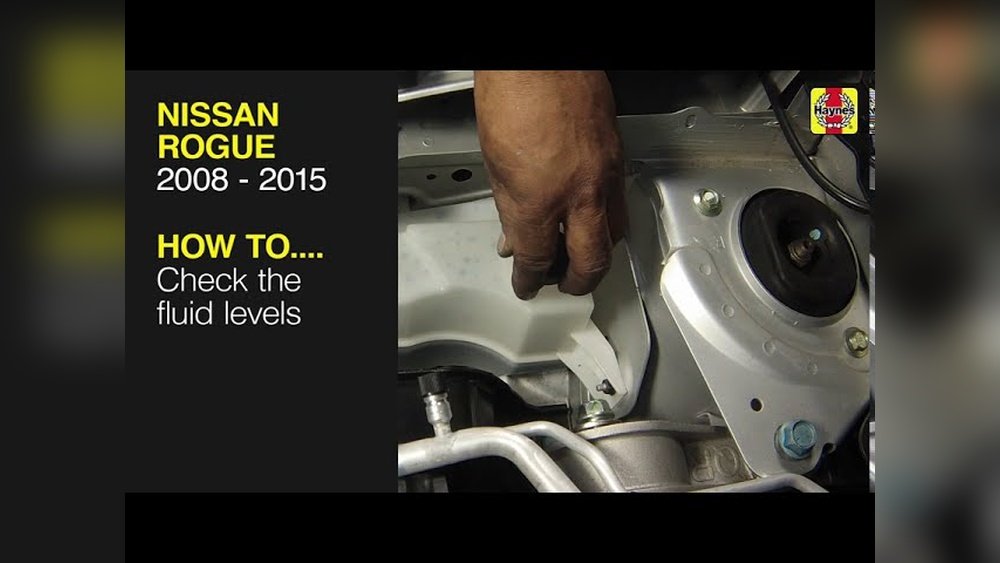
Credit: www.youtube.com
Tips For Extending Transmission Life
Besides checking the fluid, here are easy ways to help your Nissan Rogue’s transmission last longer:
- Avoid towing heavy loads unless your Rogue is rated for it.
- Don’t race or floor the gas often—hard acceleration stresses the CVT.
- Fix leaks right away—never ignore puddles under your car.
- Service on time—follow the schedule in your owner’s manual.
An overlooked tip: If you drive in hot climates or up steep hills often, ask your mechanic about more frequent fluid checks.
Non-obvious Insights For Beginners
Many beginners think all fluids in a car are the same. But transmission fluid is very different from engine oil or brake fluid. It has special additives just for the transmission’s needs.
Another common misunderstanding: “Sealed” transmissions still need attention. While you cannot check the fluid easily, the fluid still breaks down. Regular inspections at the dealer are important.
Frequently Asked Questions
How Do I Know If My Nissan Rogue Has A Transmission Dipstick?
Most Rogues made before 2014 have a dipstick. Open the hood and look for a small handle marked “TRANS” or “CVT. ” If you cannot find it, check your owner’s manual or ask a Nissan technician.
Can I Use Regular Automatic Transmission Fluid In My Rogue’s Cvt?
No. Nissan CVTs need special NS-2 or NS-3 fluid. Using the wrong type can cause slipping, overheating, or even total transmission failure. Always use the fluid listed in your owner’s manual.
What Should I Do If The Transmission Fluid Looks Burnt?
If the fluid is dark or smells burnt, change it as soon as possible. Burnt fluid means the transmission is getting too hot or is under stress. Continuing to drive could cause damage.
How Much Does It Cost To Change Nissan Rogue Transmission Fluid?
A typical fluid change at a Nissan dealer costs $150 to $300, depending on your location and model. This is cheaper than repairing a failed transmission, which can cost several thousand dollars.
Is Checking Transmission Fluid In A Nissan Rogue The Same As Other Cars?
No. Many newer Rogues have “sealed” transmissions with no dipstick. The process and fluid type are different from traditional automatics. Always follow Nissan’s instructions for your specific model. For more details, you can visit the Nissan Rogue Wikipedia page.
Checking your Nissan Rogue’s transmission fluid is one of the best ways to keep your car running smoothly for years. Even if your model has a sealed transmission, being aware of fluid condition and common warning signs can save you from big problems. With these steps, tips, and insights, you’re ready to take charge of your Rogue’s care and drive with confidence.