What Does Et Mean Hyundai: Understanding Wheel Terminology

What Does Et Mean Hyundai
If you spend time looking at Hyundai cars or their wheels, you might find a code or marking that includes the letters “ET.” Many car owners, especially beginners, wonder what “ET” means and why it matters. The answer is more important than you may think—knowing about ET can help you choose the right wheels for your Hyundai, improve safety, and even save money. Understanding this simple code can make a real difference for your car’s performance and appearance.
This article will help you understand what “ET” means for Hyundai vehicles, how it affects your car, and what you should know before buying new wheels or tires. Even if you’re new to cars, you’ll find clear answers here.
What Does “et” Mean On Hyundai Cars?
The letters “ET” stand for the German word Einpresstiefe. In English, this means offset. The offset is a measurement that tells you how the wheels fit on your car. You’ll see numbers like “ET45” on Hyundai wheels or wheels made for Hyundai cars. Let’s break down exactly what this means.
When you look at a wheel from the side, the offset is the distance between the wheel’s center line and the mounting surface that touches the car’s hub. In simple words, ET tells you how far in or out the wheel sits compared to the car’s body.
- Positive ET (e.g., ET45): The mounting surface is closer to the outside of the wheel. The wheel sits further inside the wheel well.
- Negative ET (e.g., ET-10): The mounting surface is closer to the inside of the wheel. The wheel sticks out more from the car.
For Hyundai cars, the ET value is often between ET35 to ET55, depending on the model and wheel size.
Why Is Et Important For Your Hyundai?
Many beginners think wheels are all about size and style, but the ET value is just as important. Here’s why:
- Safety: The wrong ET can cause the wheel to rub against the brakes, suspension, or bodywork, which is dangerous.
- Handling: A correct ET keeps the car stable and helps with steering.
- Tire Wear: If the ET is wrong, your tires can wear out quickly or unevenly.
- Legal Issues: Some countries or states have laws about wheels sticking out too far from the car body.
How To Find The Et Value On A Hyundai Wheel
Hyundai, like most carmakers, puts the ET value right on the wheel. You can usually find it:
- Stamped or engraved on the back side of the wheel
- Written as “ET” followed by a number (for example, ET43)
- Sometimes on the car’s owner’s manual or a sticker inside the driver’s door
If you see “ET45,” it means the wheel’s offset is 45 millimeters. The higher the number, the more the wheel sits inside.
Understanding Positive And Negative Et
The world of wheel offset can sound confusing, but it’s easy once you see the difference:
| Offset Type | Where the Wheel Sits | Common on |
|---|---|---|
| Positive ET | Wheel sits more inside the wheel well | Most Hyundai cars & SUVs |
| Negative ET | Wheel sticks out more from the car | Some sports/off-road vehicles |
| Zero ET | Mounting surface is in the center of the wheel | Rare on Hyundai, common in racing |
Most Hyundai vehicles use positive ET, which keeps the wheels tucked safely inside the fenders.
Credit: www.motorauthority.com
Real-world Example: Hyundai Elantra Et Value
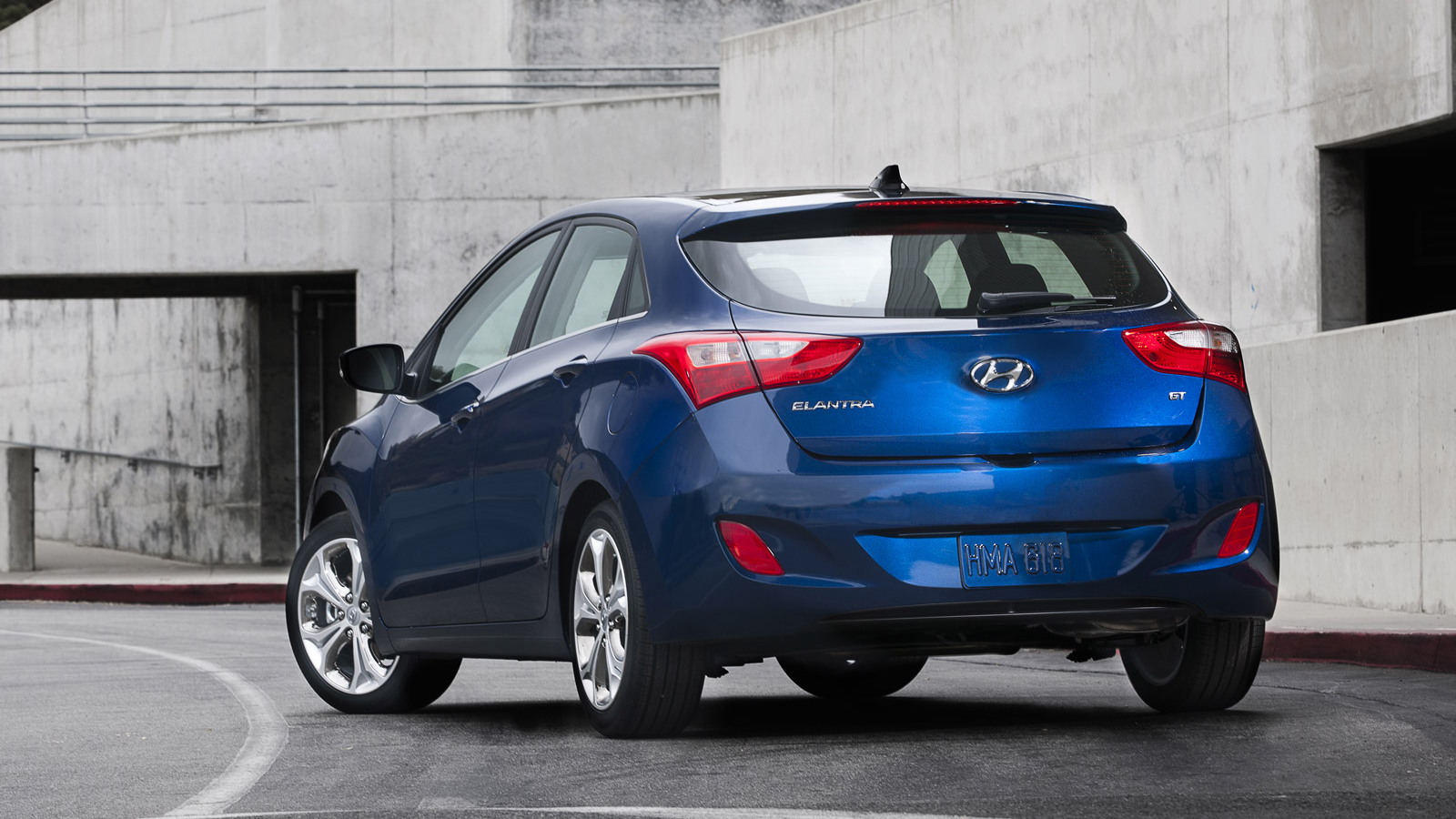
Let’s make it easy with a real Hyundai example. The Hyundai Elantra from recent years (2017–2023) usually has wheels with an ET value around ET45. This means the mounting surface sits 45 mm outside the center line of the wheel. If you buy aftermarket wheels, you need to match this ET value as closely as possible.
If you install wheels with a lower ET (like ET30), the wheels will stick out more. This might look “cool,” but it can cause problems:
- The tires may rub against the fenders when turning or hitting bumps.
- The steering may feel heavier or less precise.
- It can put extra stress on suspension parts.
If you install wheels with a higher ET (like ET55), the wheels will sit further inside. This can make the wheels touch the suspension or brakes, which is unsafe.
How Et Affects Looks And Performance
Many Hyundai owners want to change their wheels for a sportier look or better performance. Here’s how ET affects both:
- Looks: Lower ET (wheels stick out) gives a “wide” look. Higher ET (wheels tucked in) looks more factory-standard.
- Performance: The wrong ET can make the car unstable, especially at high speed. The right ET helps you keep factory handling and ride quality.
A common mistake is choosing wheels just by size (like 17” or 18”) without checking ET. Always check both!

Credit: www.ramp.space
Et Vs. Other Wheel Measurements
Beginners often confuse ET with other wheel numbers. Here’s how ET compares to other key measurements:
| Measurement | What It Means | Typical Hyundai Value |
|---|---|---|
| ET (Offset) | How far the wheel sits in or out | ET35–ET55 |
| Diameter | How tall the wheel is (in inches) | 15”–19” |
| Width | How wide the wheel is (in inches) | 5.5”–8” |
| Bolt Pattern | Number of bolts and distance between them | 5×114.3, 4×100 |
ET is about fitment—how the wheel sits. Diameter and width are about the wheel’s size.
How To Choose Wheels With The Right Et For Your Hyundai
When buying new wheels, matching the ET is as important as matching the size. Here are some practical tips:
- Check your car’s manual or the sticker inside the driver’s door for the correct ET.
- If unsure, ask a Hyundai dealer or a trusted tire shop.
- Stay close to the factory ET. A difference of 2–3 mm is usually okay. More than 5 mm can cause problems.
- Test fit: If possible, test the wheels on the car before buying.
- Watch for changes in handling: If your steering feels “weird” after changing wheels, the ET may be wrong.
Common Mistakes Beginners Make About Et
- Ignoring ET completely. Some buyers pick wheels by looks only, which can lead to safety problems.
- Assuming all Hyundai wheels are the same. ET values can change between models and even between years.
- Thinking “wider is always better.” A wider wheel with the wrong ET can damage your car.
- Buying based on a friend’s car. Just because a set of wheels fits a friend’s Hyundai doesn’t mean it will fit yours.
Special Cases: Hyundai Suvs And Performance Models
Not every Hyundai has the same ET needs. For example, Hyundai SUVs like the Tucson or Santa Fe often have different ET values compared to smaller cars like the Accent or Elantra. Performance models, like the Hyundai N series, may use wheels with a slightly lower ET for a sportier stance. Always double-check the ET for your exact model and year.
Here’s a comparison of typical ET values for different Hyundai types:
| Hyundai Model | Typical ET Value | Wheel Size |
|---|---|---|
| Accent | ET47 | 15”–16” |
| Elantra | ET45 | 16”–18” |
| Tucson | ET45–ET50 | 17”–19” |
| Santa Fe | ET49 | 18”–19” |
| i30 N | ET53 | 18”–19” |
If you’re not sure, always check your vehicle’s documents or talk to a professional.
Advanced Insight: Why Some People Change Et
Changing ET is sometimes done on purpose by experienced car owners. For example, off-road drivers might use wheels with a lower ET to get a wider “stance” for better stability. However, for daily driving and most Hyundai owners, sticking to the recommended ET is the safest and best choice.
Non-obvious tip: If you install aftermarket brakes (which are bigger), you may need wheels with a different ET to clear the brake calipers. Always check both together.
Another insight: Wheel spacers can change the ET by pushing the wheel out, but using spacers incorrectly is risky. If you’re a beginner, avoid spacers unless a professional recommends and installs them.
Where To Get Reliable Et Information For Your Hyundai
- Owner’s manual: Always the first place to check.
- Inside driver’s door: Look for a sticker with wheel and tire information.
- Online forums or Hyundai’s official website: These often have ET charts by model and year.
- Tire and wheel shops: Trusted shops have databases to look up your car’s exact needs.
For official technical details, you can also visit Wikipedia’s page about wheel offset.

Credit: www.guideautoweb.com
When To Change Wheels And Et
You might need to change wheels (and check ET) if:
- You want larger or different style wheels.
- You’re upgrading the brakes.
- Your original wheels are damaged.
- You want a different look (but still need safe fitment).
If you upgrade, always make sure the new ET is safe for your specific Hyundai.
Frequently Asked Questions
What Happens If I Choose The Wrong Et For My Hyundai?
If the ET is too low, your wheels may stick out and rub the fenders or suspension. If it’s too high, the wheels might hit the brakes or suspension. Both can be unsafe and cause faster tire wear.
Can I Use Wheels From Another Hyundai Model?
Not always. Even if the bolt pattern matches, the ET might be different. Always check both the bolt pattern and ET before swapping wheels.
Does Changing Et Affect My Car Insurance Or Warranty?
In some cases, yes. Using wheels with the wrong ET can void part of your warranty or cause problems with insurance if there’s an accident. Always ask your dealer or insurer before making changes.
Is It Safe To Use Wheel Spacers To Change Et?
Wheel spacers can be safe if used correctly and in small amounts. But using the wrong size or poor-quality spacers can be dangerous. Beginners should avoid spacers unless installed by a professional.
How Do I Find The Right Et For Aftermarket Wheels?
Start by checking your Hyundai’s manual or the sticker inside the door. Ask the wheel seller for wheels with the same or very close ET. Always test fit before final installation if possible.
Understanding ET for Hyundai vehicles can save you time, money, and trouble. It might seem like a small detail, but it has a big impact on your car’s safety and performance. If you ever have doubts, ask a professional. When you know what ET means, you can confidently choose the best wheels for your Hyundai—both for style and for a safe, smooth ride.