How Long Do Toyota Camry Brake Pads Last? Expert Guide

How Long Do Toyota Camry Brake Pads Last
When you drive a Toyota Camry, you expect comfort, reliability, and safety. One of the most important safety features in your car is the brake pads. But many drivers wonder, how long do these brake pads actually last? If you are new to car care or not a mechanic, the answer may seem confusing. This guide explains brake pad lifespan in simple words, covers what affects their life, and helps you know when it’s time to replace them.
Understanding Brake Pads
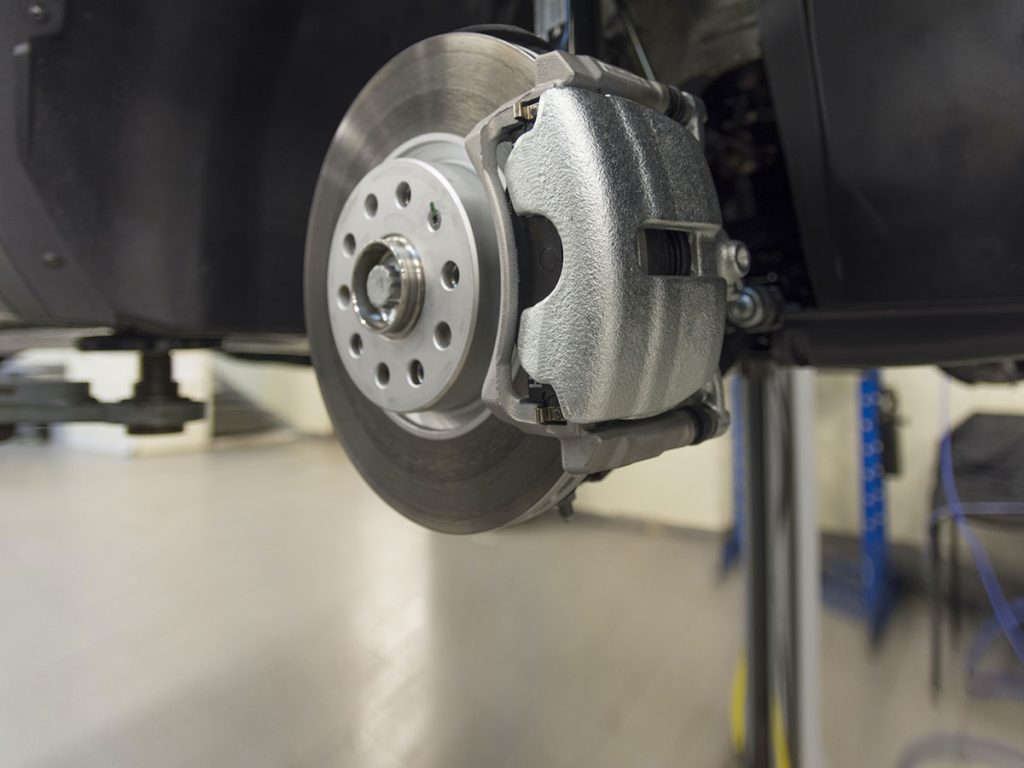
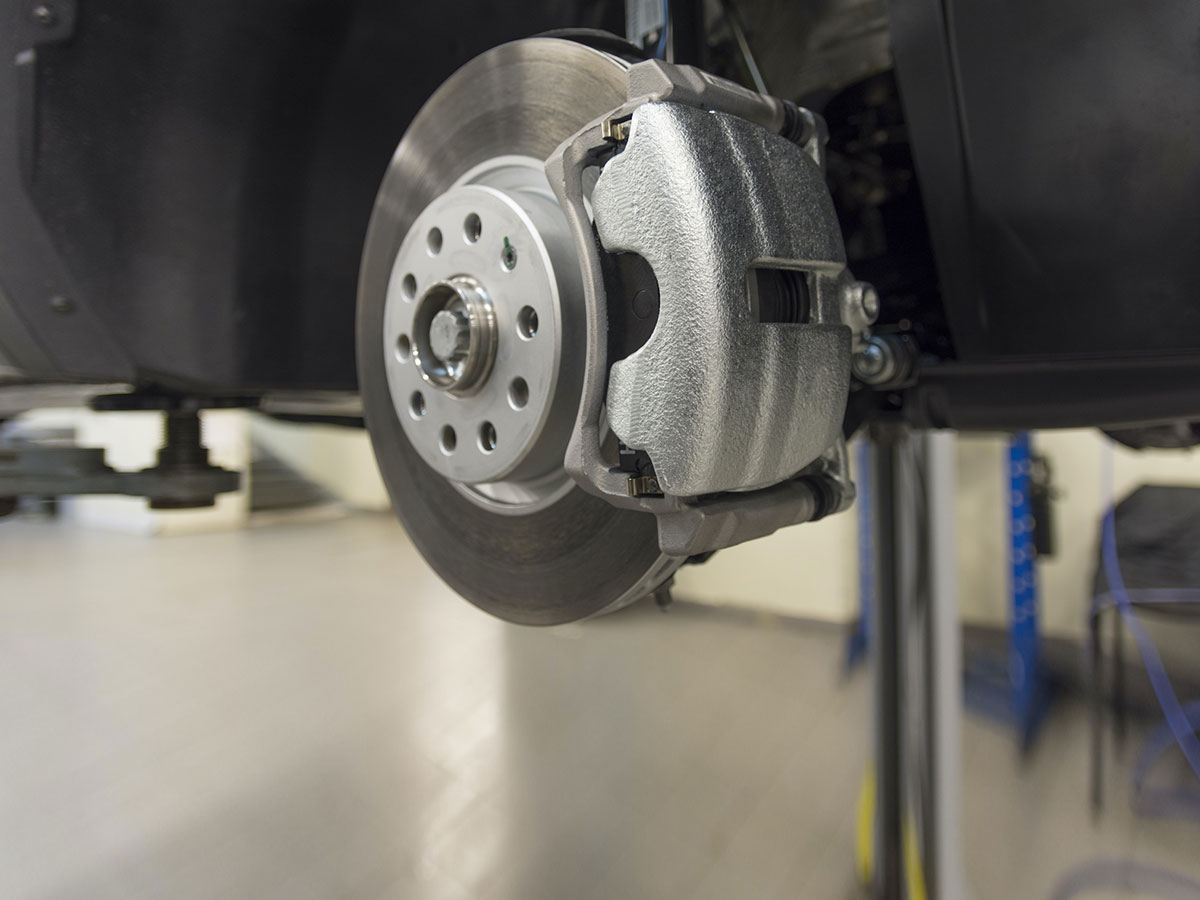
Before talking about lifespan, it helps to know what brake pads are and how they work. Brake pads are a small part of your car’s brake system. When you press the brake pedal, the pads press against the brake discs (also called rotors). This causes friction, which slows down and stops your car.
Toyota Camry models use disc brakes with pads at each wheel. Over time, the friction wears away the brake pads. If they get too thin, braking becomes less safe.
Average Lifespan Of Toyota Camry Brake Pads
Most Toyota Camry brake pads last between 30,000 and 70,000 miles. This is a wide range because many things affect how fast brake pads wear out.
- If you drive mostly in the city with lots of stops, brake pads wear out faster.
- If you drive on highways with fewer stops, they last longer.
- Aggressive braking (hard stops) will reduce their life.
- Some brake pad materials last longer than others.
In simple terms, many Camry owners replace their brake pads around 40,000 to 50,000 miles. Some careful drivers get closer to 70,000 miles. But it is not safe to just guess based on miles.
Credit: www.keithpiersontoyota.com
What Affects Brake Pad Life
The exact life of your brake pads depends on more than just distance. Here are the main things that affect how long they last:
1. Driving Habits
- Frequent hard braking (slamming the brakes) wears pads faster.
- Gentle braking extends pad life.
2. Where You Drive
- City driving with lots of stops and starts uses brake pads more.
- Highway driving uses brakes less often, so pads last longer.
3. Brake Pad Material
Toyota Camry brake pads can be made from different materials:
- Organic: Quieter, softer, wear out faster (often 30,000-40,000 miles).
- Semi-metallic: Good mix of durability and performance (around 40,000-60,000 miles).
- Ceramic: Last longest (up to 70,000 miles), but more expensive.
| Pad Material | Average Lifespan | Pros | Cons |
|---|---|---|---|
| Organic | 30,000–40,000 miles | Low noise, cheap | Wears quickly |
| Semi-metallic | 40,000–60,000 miles | Good performance | Louder, dustier |
| Ceramic | 60,000–70,000 miles | Long life, quiet | More expensive |
4. Vehicle Load
Carrying heavy loads or many passengers puts more stress on brakes, which wears pads faster.
5. Road Conditions
Hilly or mountainous roads require more braking, which shortens pad life. Flat roads are easier on brakes.
6. Maintenance Habits
Regular checks and servicing catch problems early and help pads last longer.
Insight: Many beginners do not realize that even if you do not drive a lot, brake pads can age. Moisture, dirt, or rust can still affect them over time.
Signs Your Toyota Camry Brake Pads Need Replacing
You should never wait until the pads are gone. Here are clear warning signs:
- Squealing or screeching sound: High-pitched noises when braking often mean the pads are worn.
- Grinding noise: This is more serious. It means pads are almost gone and metal is touching metal.
- Longer stopping distance: If your car takes longer to stop, check the brakes.
- Vibration when braking: Shaking or pulsing means pads or rotors may be uneven.
- Warning light: Some Camry models have a dashboard brake warning light.
- Visual check: If you look through the wheel and see less than ¼ inch (about 6 mm) of pad, it’s time to replace.
Non-obvious insight: Sometimes, only one or two pads wear out faster (for example, front pads usually wear faster than rear pads). Always check all pads, not just one.
How To Check Your Brake Pads
You don’t have to be a mechanic to spot worn brake pads. Here are simple steps:
- Park on a level surface and make sure the car is off.
- Look between the spokes of your wheel. You should see the brake pad pressed against the rotor.
- If the pad looks very thin (less than ¼ inch), it’s time for new ones.
- If you cannot see well, remove the wheel for a better look.
If you’re not sure, ask a trusted mechanic during regular maintenance.
Typical Replacement Costs
Brake pad replacement cost depends on parts, labor, and where you live. For a Toyota Camry, here’s what you can expect:
- Parts only (all four wheels): $80 – $200 (cheaper for organic, more for ceramic)
- Labor (mechanic): $100 – $200
- Total cost: $180 – $400
If you only need to replace front or rear pads, cost is about half.
| Service | Low Estimate | High Estimate |
|---|---|---|
| Front pads only | $90 | $200 |
| Rear pads only | $90 | $200 |
| All pads (parts & labor) | $180 | $400 |
Pro tip: Some shops offer free brake checks. But always ask for a quote before agreeing to service.
Credit: www.keithpiersontoyota.com
Can You Extend Brake Pad Life?
You can help your brake pads last longer by changing a few habits:
- Slow down early. Let off the gas pedal and slow down naturally before braking.
- Avoid hard stops. Press the brake gently when possible.
- Don’t overload your car. Remove heavy items from the trunk when not needed.
- Regular maintenance. Get your brakes checked at each oil change.
Insight: Many drivers ignore the parking brake. Using the parking brake regularly (especially for rear brakes) can keep the system in better shape.
Front Vs Rear Brake Pad Wear
Most Toyota Camrys have front brake pads that wear out faster than the rear. This is because the front of the car handles more stopping power.
| Pad Position | Typical Lifespan | Notes |
|---|---|---|
| Front | 30,000–50,000 miles | Wears out first |
| Rear | 40,000–70,000 miles | Lasts longer |
It’s common to need front brake pads replaced one or two times before the rear ones.
How Toyota Camry Brake Pads Compare To Other Cars
You might wonder if the Camry’s brake pads last longer or shorter than other cars. In general, Camry brake pads have a typical life compared to most mid-size sedans. The main differences come from the driver’s habits and the type of pads used.
- Sports cars or larger SUVs may wear pads faster because they are heavier or more powerful.
- Hybrids (like Camry Hybrid) sometimes have regenerative braking, which uses the electric motor to slow the car. This can make brake pads last longer.
Common Mistakes Beginners Make
- Ignoring early signs: Waiting until brakes make loud noises before checking them.
- Not rotating tires: Tire rotations help even out pad wear.
- Replacing only one pad: Always replace pads in pairs (both front or both rear) for safety.
- Choosing the cheapest pads: Low-quality pads can wear quickly or make more noise.
- Not bedding in new pads: After new pads are installed, follow the mechanic’s advice on gentle braking for the first 200 miles.
When To See A Mechanic
If you hear grinding, feel vibration, or the brakes do not feel right, see a professional. Brakes are critical for safety. Never take chances.
Toyota Camry Brake Pads And Warranty
Brake pads are usually considered a wear item and not covered under the standard Toyota warranty. But if there is a defect in the material or installation, you may have some coverage. Always keep your service receipts.
You can read more about Toyota’s warranty policies on the official Toyota website.

Credit: nrsbrakes.com
Frequently Asked Questions
How Can I Make My Camry Brake Pads Last Longer?
Drive gently, avoid sudden stops, keep your car’s weight low, and get brakes checked at every oil change. This helps pads last closer to the higher end of their lifespan.
Are Ceramic Brake Pads Better For A Toyota Camry?
Ceramic pads last longer and make less noise, but they cost more. For daily driving, they are a good choice if you want durability and quiet operation.
How Do I Know If My Brake Pads Are Worn Out Without Removing The Wheel?
Look through the wheel spokes for the brake pad. If it looks very thin (less than ¼ inch), it’s time to replace. Also, listen for squealing or grinding noises.
Should I Replace Rotors When Changing Brake Pads?
Not always. If the rotors are smooth and not damaged, you can keep them. If they are grooved, warped, or very thin, replace them with the pads.
What Happens If I Don’t Replace Worn Brake Pads?
Your car will not stop as well. You may damage the brake rotors, which costs more to fix. It can also be dangerous for you and others on the road.
When you understand how long Toyota Camry brake pads last and what affects their life, you can plan for safe, smooth driving. Pay attention to warning signs, check your brakes regularly, and do not delay replacement. This small part of your car makes a big difference in your safety.