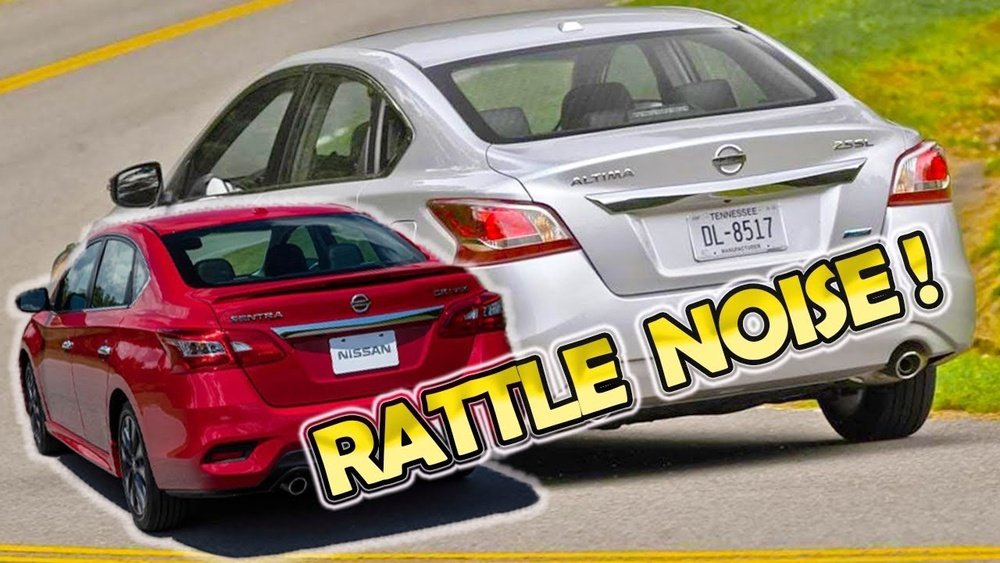
Nissan Sentra Rattling Noise When Accelerating: Causes & Fixes

When you own a Nissan Sentra, you expect a smooth, reliable ride. But what if you hear a strange rattling noise when accelerating? This sound can be worrying, especially if you don’t know the cause. Rattling can range from a small annoyance to a sign of a bigger problem. Many drivers ignore it, hoping it will go away. But acting early can save you money, time, and stress.
In this article, you’ll discover why your Nissan Sentra might rattle when you press the gas, common causes, how to diagnose the problem, and what you can do to fix it. You’ll also learn about costs, prevention tips, and get answers to common questions.
Whether you are a new car owner or have driven Sentras for years, you’ll find practical advice to keep your car running quietly and safely.
Common Causes Of Rattling Noise When Accelerating
Rattling noises in a Nissan Sentra can come from several parts of the car. The sound might be from the engine, exhaust, suspension, or even something loose inside. Here are the main causes, explained simply.
1. Loose Heat Shield
A heat shield is a thin metal cover under your car, protecting parts from exhaust heat. Over time, it can rust or its bolts can loosen. When you accelerate, vibrations make the loose shield rattle.
Non-obvious insight: Even a small piece of a loose heat shield can sound much louder inside the cabin than you expect.
2. Worn Engine Mounts
Engine mounts hold the engine steady. If they wear out or break, the engine can move more than it should, causing a rattle, especially when you speed up.
Example: If the rattle gets worse when going uphill or with heavy load, engine mounts are a likely cause.
3. Failing Catalytic Converter
The catalytic converter helps clean your exhaust. Inside, there’s a honeycomb mesh. If it breaks, pieces can rattle around, especially when accelerating.
Note: A rattling catalytic converter can also mean lower engine power and even trigger the check engine light.
4. Loose Exhaust System
Parts of your exhaust (like pipes or muffler) can loosen over time. When you speed up, vibrations cause these parts to knock or rattle.
5. Faulty Timing Chain Or Tensioner
The timing chain keeps the engine running in sync. If the chain is loose or the tensioner fails, it may slap against the engine parts, causing a metal rattle.
Important: Ignoring this can lead to engine damage.
6. Bad Suspension Components
Sometimes, the rattling comes from suspension parts like sway bar links or bushings. When you accelerate, weight shifts to the rear, and worn suspension parts can knock or rattle.
7. Loose Interior Trim Or Items
Not all rattles are serious. Sometimes, a loose glove box, seat, or even a water bottle in the door pocket can sound like a bigger problem.
Pro tip: Remove all items from the cabin before diagnosing further.
8. Damaged Heat Shields On The Catalytic Converter
Some Sentras have extra shields around the catalytic converter itself. These can corrode and rattle, creating a noise that’s hard to locate.
9. Broken Or Loose Air Intake Parts
The air intake system (ducts, filter box) can work loose after repairs or over time. A cracked or loose airbox can vibrate when you accelerate.
10. Debris In The Engine Bay
Leaves, stones, or even tools left behind can get stuck in engine covers, causing rattles only at certain speeds.
Non-obvious insight: Debris can also block airflow, making the engine run hotter.
Diagnosing The Rattling Noise
Finding the cause of a rattle in your Nissan Sentra is not always easy. Here’s how you can start:
- Listen closely: Try to locate if the noise comes from the front, rear, underneath, or inside the car.
- Test at different speeds: Does the rattle only happen when you accelerate, or also at idle or while coasting?
- Check with car stopped: Rev the engine in park. If you hear the rattle, it’s likely from the engine or exhaust.
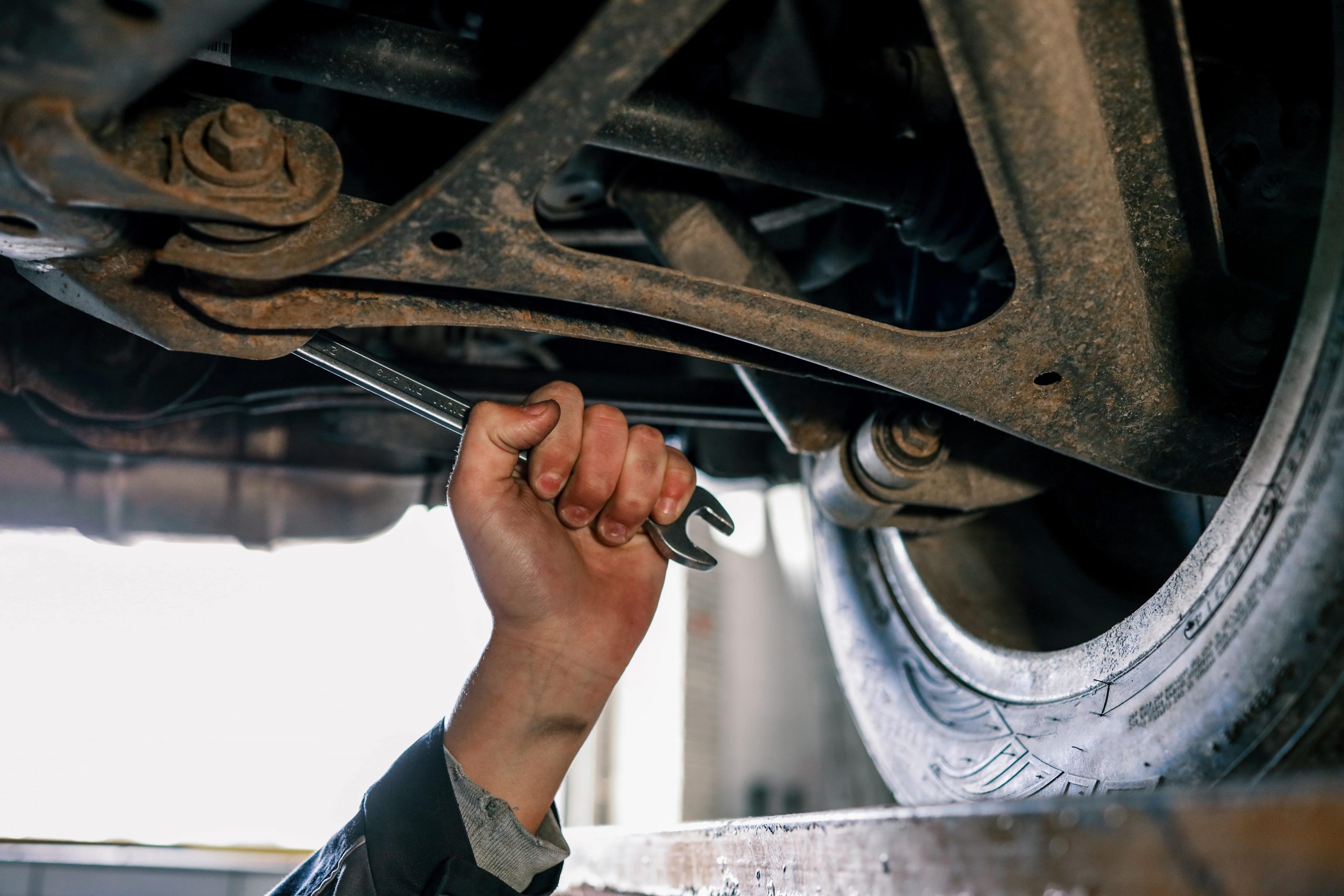
- Look underneath: With the car safely lifted, tap the heat shields and exhaust with a rubber mallet. Listen for loose parts.
- Check the interior: Remove loose items and test again.
- Inspect engine mounts: Look for cracked rubber or excessive engine movement.
- Visit a mechanic: If you can’t find the cause, a professional can use a lift and tools for a closer look.
Here’s a comparison of how different noises can help you identify the source:
| Noise Type | Possible Cause | When It Happens |
|---|---|---|
| Metallic rattle | Heat shield, catalytic converter | Accelerating, rough roads |
| Knocking/thumping | Engine mounts, suspension | Going over bumps, acceleration |
| Plastic rattle | Interior trim, air intake | Anytime, often low speeds |
Tip: Use a friend to help listen from outside the car while you rev the engine.
Credit: www.carsonnissan.com
How To Fix Rattling Noises In A Nissan Sentra
The right fix depends on the source of the noise. Here’s how to address the most common causes:
Heat Shield
- Tighten bolts: If loose, simply tightening with a wrench may solve the problem.
- Replace or secure: If rusted, use metal hose clamps or replace the shield.
Engine Mounts
- Replace worn mounts: This job usually needs a mechanic. New engine mounts restore smoothness.
Catalytic Converter
- Replace if rattling: A broken converter must be replaced. Continuing to drive can clog the exhaust.
Exhaust System
- Tighten or replace parts: Check hangers, clamps, and pipes for looseness or rust.
Timing Chain
- Repair by mechanic: Timing chain problems require professional repair. Delaying can destroy the engine.
Suspension
- Inspect and replace: Worn bushings, links, or shocks should be replaced to stop rattling and improve safety.
Interior Trim
- Secure loose panels: Use foam tape or clips to stop rattles from plastic trim.
Air Intake
- Reattach parts: Check for missing screws or cracked plastic and repair.
Debris
- Clean engine bay: Remove any foreign objects. Check under engine covers and around belts.
Important: If you’re not sure, always ask a trusted mechanic for help. Some repairs are simple, but others need experience and tools.
Cost Of Repairing Rattling Noises
The cost to fix a Nissan Sentra rattling noise when accelerating varies. Here’s an overview:
| Cause | DIY Cost | Mechanic Cost |
|---|---|---|
| Heat shield | $0–$20 | $50–$150 |
| Engine mount | $40–$100 (part) | $200–$400 |
| Catalytic converter | $200–$400 (aftermarket) | $700–$1,500 |
| Exhaust hangers | $10–$30 | $50–$100 |
| Timing chain | N/A | $800–$1,500 |
| Suspension link/bushing | $20–$80 | $100–$300 |
Note: Prices can change based on location and model year. Sometimes, the first fix does not solve the problem if more than one part is failing.
Prevention Tips For Rattling Noises
Keeping your Nissan Sentra quiet and smooth is possible with some easy steps:
- Regular maintenance: Service your car as recommended in the manual.
- Check for recalls: Sometimes, Nissan issues recalls for known rattling problems.
- Wash under the car: Rust is a common cause of loose heat shields and exhaust parts.
- Check after repairs: Sometimes, mechanics forget to tighten air intake or trim parts.
- Listen for changes: New noises can mean new problems. Don’t ignore them.
Practical tip: After driving rough roads or in winter, check under your car for loose shields and extra rust.
When To Worry: Serious Rattling Warning Signs
Some rattling noises are just annoying, but others can mean danger. Watch for these warning signs:
- Rattle gets louder quickly
- Check engine light comes on
- Loss of power or rough running
- Smoke from exhaust
- Burning smell
If you notice any of these, stop driving and get your car checked. Ignoring serious rattles can lead to expensive repairs.

Credit: www.reddit.com
Real World Example: 2013 Nissan Sentra Case
A 2013 Nissan Sentra owner reported a sharp rattle when accelerating from a stop. The sound was worse going uphill. After checking the heat shields and exhaust, no problem was found. The mechanic later discovered a worn engine mount. Replacing the mount fixed the noise, and the car felt smoother.
Lesson: Sometimes, the cause is not obvious. It’s important to check all possible sources.
Are Rattling Noises Common In Nissan Sentra?
Rattling noises are not unique to the Sentra, but some model years are more prone. For example, 2013–2017 Sentras have more reports of heat shield and catalytic converter rattles, especially in areas with road salt.
Data point: According to Nissan owner forums, over 25% of complaints for these years are about rattling or vibration noises.
For more details on specific recalls or technical bulletins, you can visit the NHTSA website.

Credit: www.youtube.com
Frequently Asked Questions
What Is The Most Common Cause Of Rattling In A Nissan Sentra?
The heat shield is the most common reason, especially in cars over five years old. Rust and road debris loosen the shield, creating a metallic rattle when accelerating.
Can I Drive My Nissan Sentra With A Rattling Noise?
You can drive for a short time if the noise is from a minor issue like a loose shield. But if the rattle gets louder, or if you notice power loss, engine warning lights, or smoke, you should stop and have your car checked.
How Do I Tell If The Rattling Is From The Engine Or The Exhaust?
Try revving the engine in park. If the noise is present, it’s likely from the engine or exhaust. If it only happens while driving, it could be the suspension or drivetrain. A mechanic can use a stethoscope tool to locate the sound.
Will A Rattling Noise Fail My Car Inspection?
Yes, in some states, a loud rattle from the exhaust or catalytic converter can fail an inspection due to noise or emission rules.
How Can I Prevent Rattling Noises In My Nissan Sentra?
Follow the maintenance schedule, wash the underbody in winter, and check for rust or loose parts regularly. Address new noises early to avoid bigger problems.
—
A rattling noise when accelerating in your Nissan Sentra should not be ignored. While some causes are simple to fix, others can signal serious issues. Listening closely, checking common trouble spots, and acting early can keep your car safe and quiet.
If you are unsure or uncomfortable with repairs, always trust a qualified mechanic. Your peace of mind—and your wallet—will thank you.