What Type of Transmission Fluid Does Nissan Recommend for Best Performance

Nissan vehicles are known for their smooth driving experience and reliability. But to keep your Nissan running well, you must use the right transmission fluid. The type of fluid you choose can make a big difference in how your car shifts, how long it lasts, and how much maintenance it needs. Many car owners feel confused when they see so many types of transmission fluids on the market. If you have ever wondered, “What type of transmission fluid does Nissan recommend?”—you’re not alone. This guide explains everything you need to know in simple, clear language.
Why Transmission Fluid Matters For Nissan
Every automatic transmission depends on special fluid to work correctly. This fluid does more than just help gears move. It cools the system, reduces friction, and helps your car shift gears smoothly. Using the wrong fluid can lead to slipping, rough shifting, overheating, or even serious damage. Nissan designs its transmissions with very specific fluids in mind. That’s why following Nissan’s recommendations is so important.
Types Of Transmission Fluid Used By Nissan
Nissan has used different types of transmission fluids over the years. The right choice depends on your vehicle’s year, model, and transmission type. Here are the main fluids Nissan recommends:
1. Nissan Matic Fluids
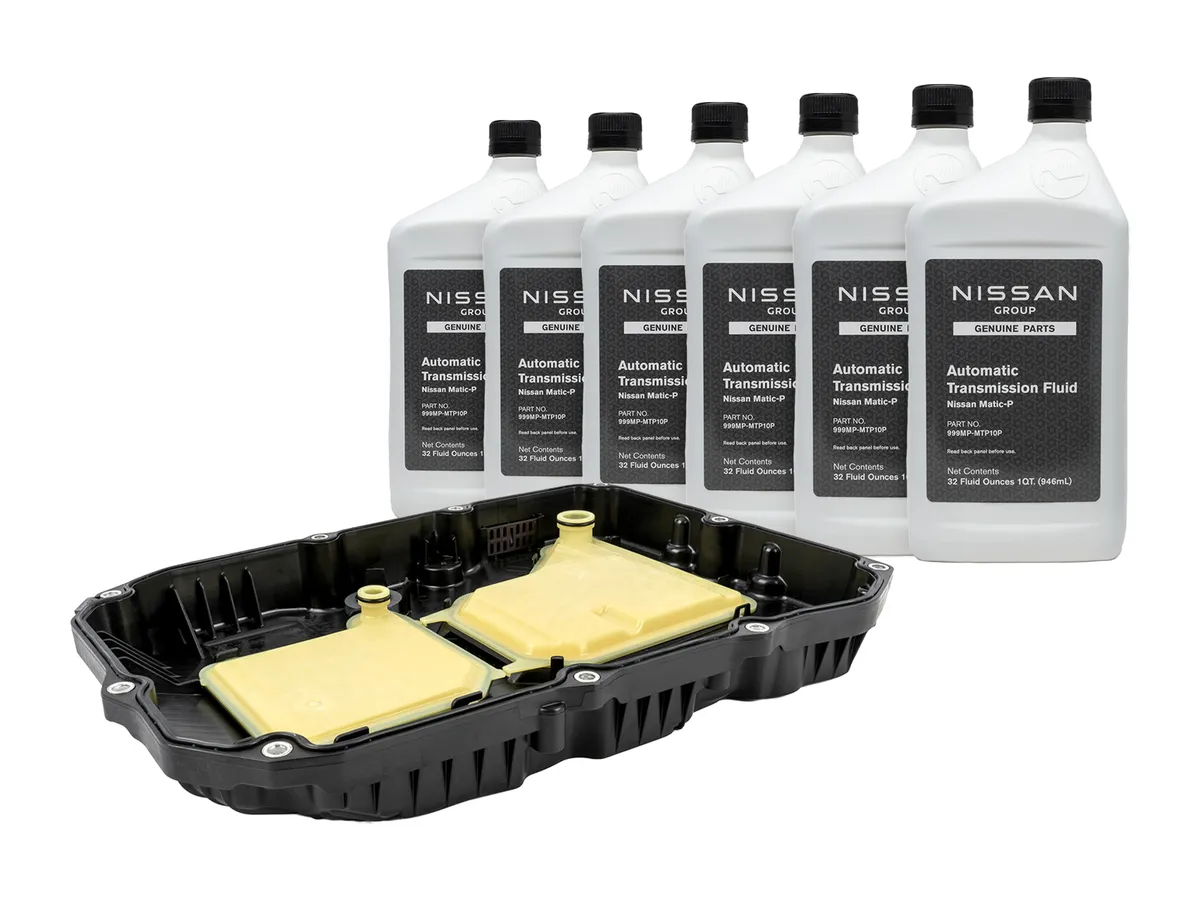
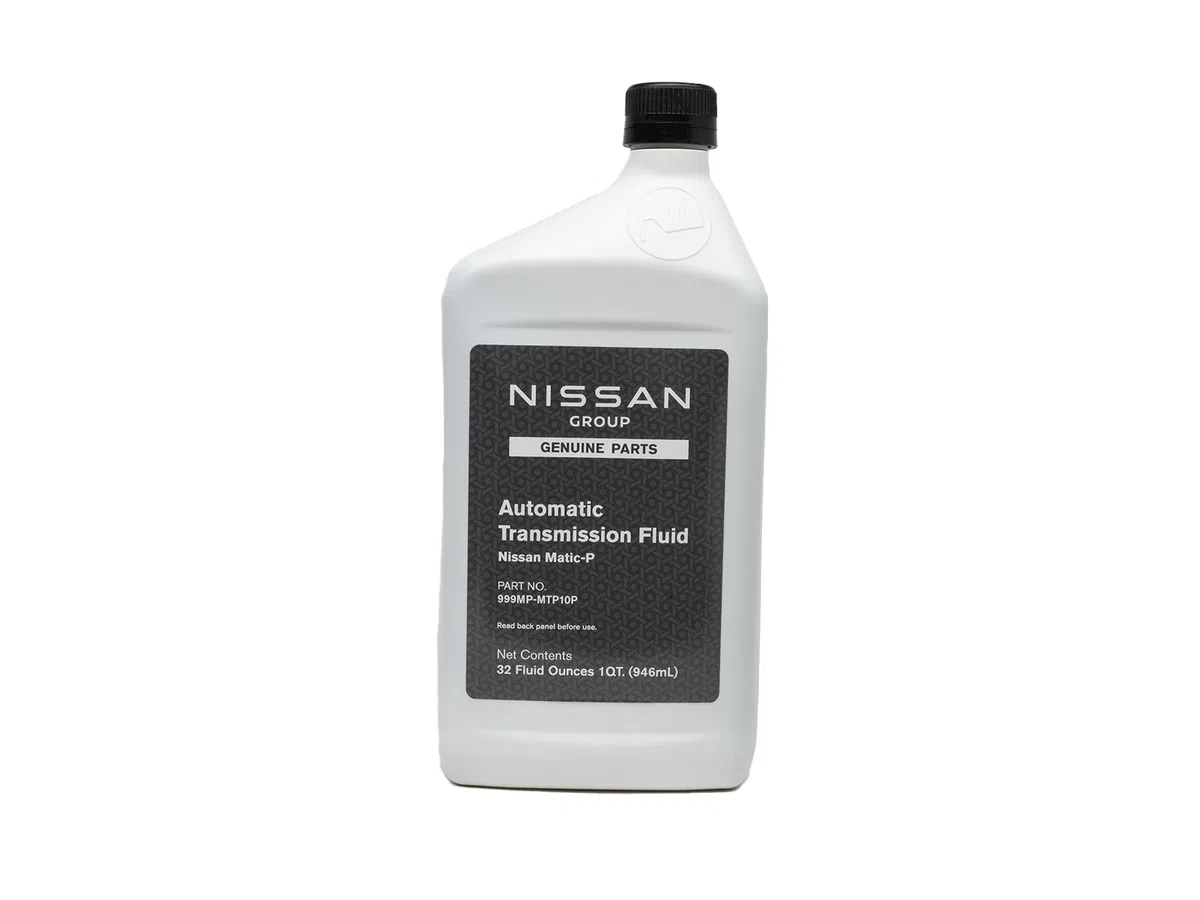
Nissan’s own Matic series is designed for their automatic transmissions. The most common are:
- Matic D – For older Nissan vehicles (mainly 1990s and early 2000s)
- Matic J – Used in many models from the early 2000s
- Matic K – For some mid-2000s to 2010s models
- Matic S – For recent models with advanced automatic transmissions
Each Matic fluid has unique additives and a special formula. For example, Matic S offers better friction stability and works well in modern, fuel-efficient cars.
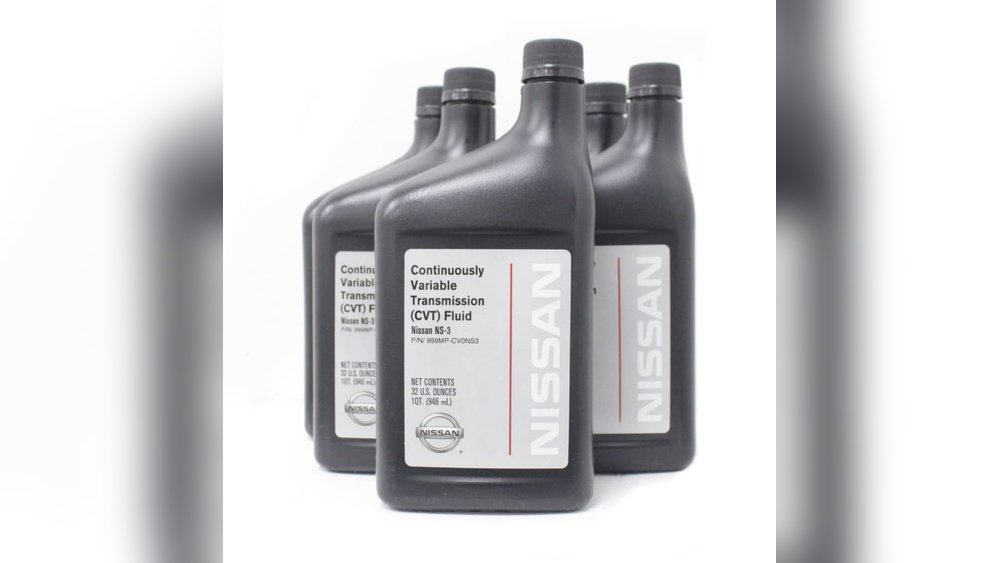
2. Nissan Ns Series (cvt Fluid)
Many newer Nissan vehicles use a Continuously Variable Transmission (CVT). CVTs need different fluid than regular automatics. Nissan recommends NS series fluids for these:
- NS-1 – Early CVT models (around 2003–2007)
- NS-2 – Many CVTs from late 2000s to mid-2010s
- NS-3 – Latest CVT models, especially after 2013
CVT fluids are thinner, more heat-resistant, and designed for the special belt-driven system inside CVTs.
3. Nissan Manual Transmission Fluids
If you drive a Nissan with a manual transmission, the fluid needs are different. Nissan often recommends:
- 75W-85 or 75W-90 Gear Oil – For most manual transmissions
- GL-4 or GL-5 Standard – Always check which is specified for your model
Manual gear oils are thicker and protect metal parts from grinding.
Credit: www.z1offroad.com
How To Find The Right Nissan Transmission Fluid For Your Car
Choosing the correct fluid can feel confusing, but there are clear steps you can follow:
1. Check Your Owner’s Manual
The manual lists the exact fluid type for your car. Look for a section called “Capacities and Recommended Fluids. ”
2. Look At The Transmission Type
Is your car automatic, CVT, or manual? Each one uses a different fluid.
3. Note The Year And Model
Even small differences (like Altima vs. Sentra) can change the fluid type.
4. Ask A Nissan Dealer Or Mechanic
If you’re unsure, a Nissan dealer or certified mechanic can help.
5. Watch For Labeling
Only use fluids labeled as Nissan Genuine or those that say “meets Nissan Matic/NS specification.”
It’s tempting to buy cheaper, “universal” fluids, but these can cause problems. Nissan fluids have special additives for the company’s unique designs.
What Happens If You Use The Wrong Fluid?
Many beginners think, “Any transmission fluid is okay as long as it’s for automatics.” This is not true, especially with Nissan vehicles. Here’s what can happen if you use the wrong type:
- Slipping Gears – Your car may not stay in gear or shift properly.
- Delayed Engagement – You press the gas, but the car is slow to move.
- Overheating – The transmission gets too hot and parts wear out faster.
- Noise and Vibration – Unusual sounds or shaking when changing gears.
- Shortened Transmission Life – Repairs or replacement can cost thousands of dollars.
Many people overlook the fact that even “just once” with the wrong fluid can void your warranty. Always double-check before adding or changing fluid.
How Often Should You Change Nissan Transmission Fluid?
Fluid change intervals depend on your driving style, vehicle model, and local climate. But here are some general guidelines:
- Automatic Transmissions:
Every 30,000 To 60,000 Miles (48,000 To 96,000 Km)
- CVT Transmissions:
Every 30,000 To 50,000 Miles (48,000 To 80,000 Km)
- Manual Transmissions:
Every 30,000 To 60,000 Miles (48,000 To 96,000 Km)
If you drive in harsh conditions—like hot weather, stop-and-go traffic, or towing—you may need to change it more often.
Many drivers forget that transmission fluid color is a good indicator. Fresh fluid is usually red or pink. If it looks brown or smells burnt, it’s time for a change.
Nissan Transmission Fluid Comparison Table
Here’s a quick comparison of Nissan’s main transmission fluids to help you see the differences:
| Fluid Type | Transmission Type | Main Usage Years | Color |
|---|---|---|---|
| Matic D | Automatic | 1990s–2000s | Red |
| Matic J | Automatic | Early 2000s | Red |
| Matic S | Automatic | 2010–Present | Light Red |
| NS-2 | CVT | 2007–2013 | Blue-Green |
| NS-3 | CVT | 2013–Present | Green |
Credit: www.z1offroad.com
Genuine Nissan Vs. Aftermarket Fluids
It’s common to wonder if you must buy Nissan Genuine fluid or if a cheaper brand will work. Here are the facts:
- Nissan Genuine Fluids are made to exact standards. They include additives that protect Nissan transmissions.
- Aftermarket Fluids may claim to be “compatible,” but not all truly meet Nissan’s requirements.
- Mixing Fluids can cause chemical reactions that harm your transmission.
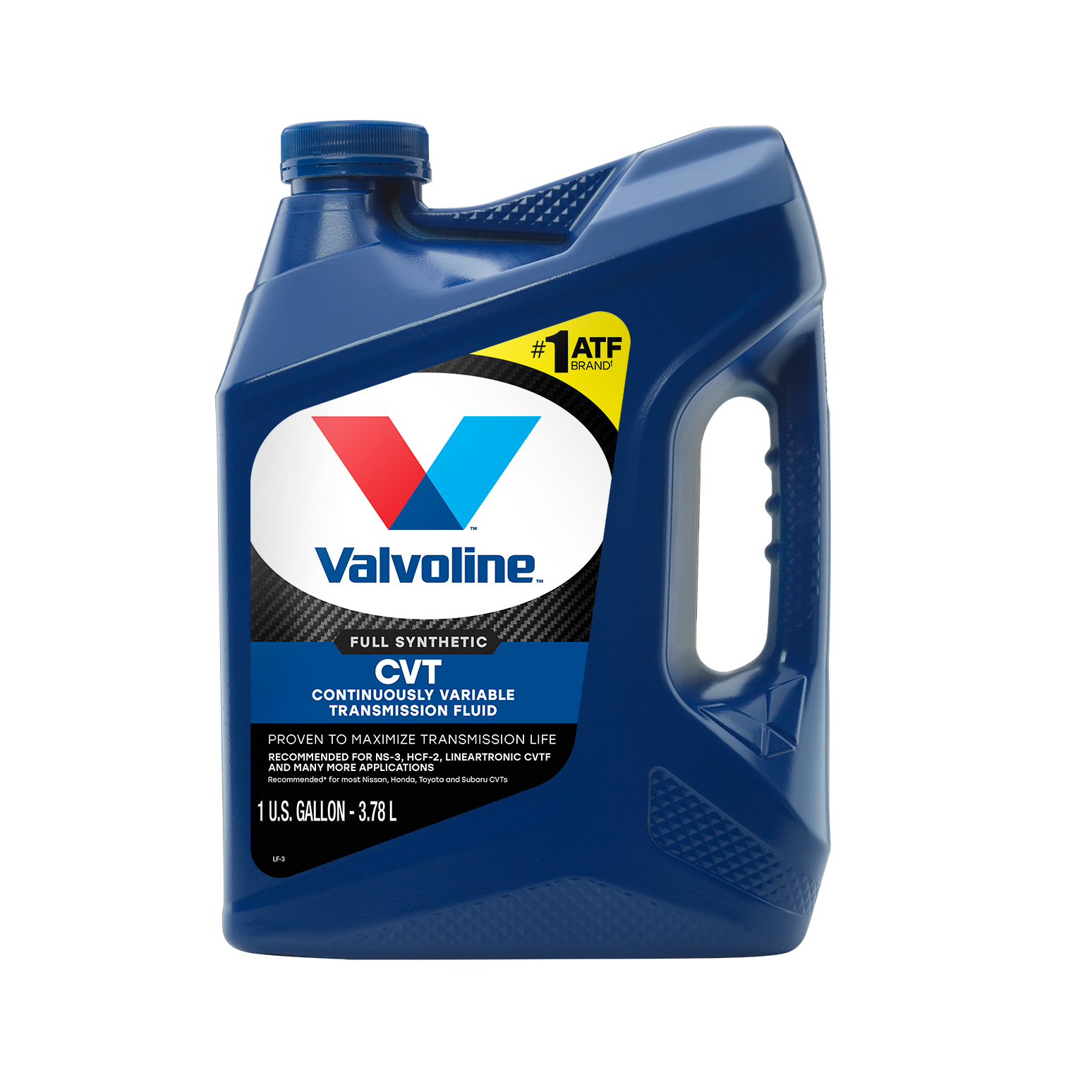
A common beginner mistake is to use a “universal” fluid to save money. But the tiny savings can lead to expensive repairs. If you must use aftermarket, look for products that clearly state Nissan Matic/NS compatibility and have strong reviews.
How To Check And Top Up Your Nissan Transmission Fluid
Many new Nissan models do not have a transmission dipstick. This can make checking the fluid level harder. But here’s how you can do it for most models:
1. Warm Up The Engine
Drive for 10–15 minutes to get the fluid to normal temperature.
2. Park On A Level Surface
This ensures an accurate reading.
3. Check For A Dipstick
Older models: Look for a labeled dipstick under the hood.
Newer models: There may be a “sealed” system that needs special tools.
4. Inspect The Fluid
Pull out the dipstick (if available). Wipe it, reinsert, then check the level and color. Add fluid slowly if needed.
5. For Sealed Systems
Most CVT and newer automatics require lifting the car and checking from underneath. This is best done by a professional.
Many beginners miss that overfilling is as dangerous as running low. Add small amounts, then recheck.
Signs You Need To Change Your Nissan Transmission Fluid
Watch for these warning signals:
- Shifting is not smooth
- Fluid looks dark or smells burnt
- Slipping or delayed shifting
- Unusual noises from the transmission area
- Dashboard warning lights
If you notice these signs, change the fluid as soon as possible.
Nissan Transmission Fluid Costs
The cost of fluid and service can vary:
- Nissan Genuine Fluid: $20–$40 per quart (most cars need 4–6 quarts)
- Aftermarket Fluid: $10–$25 per quart
- Dealer Service: $150–$300 (includes labor)
- Independent Mechanic: $100–$200
Saving money by skipping fluid changes is a common mistake. The cost of a new transmission can be $3,000–$5,000, so regular changes are a wise investment.
Credit: www.valvolineglobal.com
Example: Nissan Altima Transmission Fluid Needs
The Nissan Altima is one of the most popular Nissan models. Here’s what you need to know:
- Older Altimas (pre-2007): Matic D or J
- 2007–2012 Altima CVT: NS-2 fluid
- 2013–Present Altima CVT: NS-3 fluid
A beginner might not realize that using NS-2 in a newer Altima can cause the transmission to fail. Always match the fluid to your car’s year and transmission.
Nissan Transmission Fluid Specifications Table
To help you see the fluid types by model and year, here’s another quick reference:
| Model | Year Range | Transmission Type | Recommended Fluid |
|---|---|---|---|
| Altima | 2013–2024 | CVT | NS-3 |
| Sentra | 2007–2012 | CVT | NS-2 |
| Frontier | 2005–2019 | Automatic | Matic S |
| Versa | 2012–Present | CVT | NS-3 |
| 350Z/370Z | 2003–2020 | Manual | 75W-85 GL-4 |
How To Dispose Of Old Transmission Fluid
Never pour used fluid down the drain or into the ground. Take old transmission fluid to a recycling center or auto shop. Many auto parts stores will take it for free.
A mistake beginners often make is mixing old fluid with other liquids like engine oil. This can make recycling difficult.
Two Insights Most Beginners Miss
1. Fluid Compatibility Is Not Just About Color
Some fluids may look similar, but their chemical makeup is very different. Always use the exact specification, not just the same color.
2. Transmission Fluid Changes Are Preventive, Not Just Reactive
Waiting for problems is risky. Regular fluid changes prevent issues—don’t wait until you see symptoms.
Where To Find More Information
For the most accurate and up-to-date advice, always check the Nissan official website or your owner’s manual.
Frequently Asked Questions
What Happens If I Use Non-nissan Transmission Fluid In My Car?
Using a non-approved fluid can cause shifting problems, overheating, and may void your warranty. Nissan transmissions are designed for specific fluids with unique additives.
How Do I Know If My Nissan Uses A Cvt?
Check your owner’s manual or look for “CVT” on the gear shifter or under the hood. Most newer Nissan models (since 2007) with smooth, gearless acceleration use CVT.
Can I Change Nissan Transmission Fluid Myself?
You can, but many new Nissans have sealed transmissions that need special tools. If you’re not sure, it’s safer to let a professional handle it.
How Often Should I Check My Transmission Fluid?
Check every 6 months or at each oil change, especially if you drive in hot weather or heavy traffic.
Is It Okay To “top Off” The Fluid Or Should I Always Do A Full Change?
Topping off is okay if you are low, but regular full changes are needed to replace old, worn-out fluid and remove debris.
Choosing the right transmission fluid for your Nissan is one of the smartest things you can do for your car’s health. It keeps your transmission working smoothly, helps avoid expensive repairs, and gives you peace of mind. Always check your manual, use the recommended fluid, and don’t wait for problems to start. Your Nissan—and your wallet—will thank you.